Horseshoe Crab
Xiphosurida
Living individuals or members of this group exist today. This does not mean they are safe from extinction.
Horseshoe crabs are marine arthropods more closely related to spiders than true crabs. This account describes the Atlantic horseshoe crab (Limulus polyphemus).
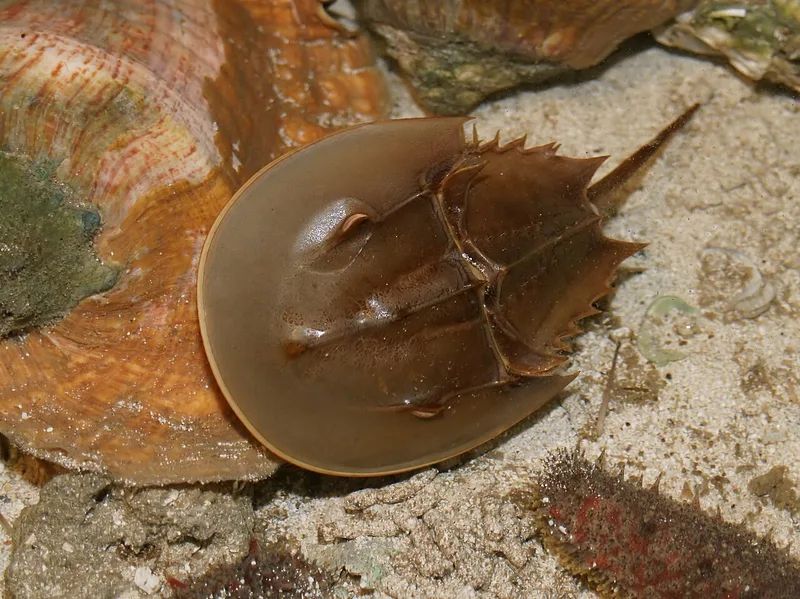
Limulus polyphemus, the representative described in this account.
At a glance
- Location
- Atlantic horseshoe crabs occupy shallow coastal waters along eastern North America and nearby regions.
- Habitat
- Coast
- Diet
- Carnivore
- Food
- Worms and other seabed invertebrates provide food.
Classification
- Common name
- Horseshoe Crab
- Browse group
- Horseshoe crabs
- Scientific name or taxon
- Xiphosurida
- Taxon rank
- order
- Order
- Xiphosurida
- Source classification
- Xiphosura
Taxonomy checked against GBIF. For breeds and hybrids, this describes the listed parent taxon.
Three things to know
- It is not a true crab.
- The tail helps it right itself.
- Its eggs feed coastal wildlife.
Habitat and range
Atlantic horseshoe crabs occupy shallow coastal waters along eastern North America and nearby regions. Adults gather near suitable shorelines to spawn, and their eggs support many coastal animals.
Appearance and adaptations
A smooth, horseshoe-shaped front shield covers much of the body. The long pointed tail assists steering and helps an overturned animal right itself.
Diet and behaviour
Worms and other seabed invertebrates provide food. Foraging reworks the sediment, while spawning creates a concentrated seasonal food source for shorebirds and other consumers.
Sources
Explore horseshoe crabs
Browse all horseshoe crabs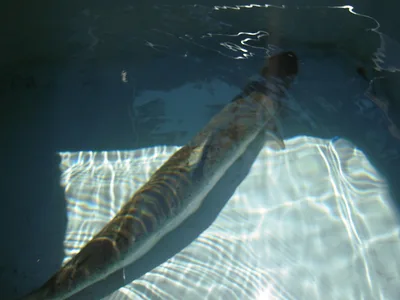 NT
Fish
Atlantic salmon
Salmo salar
The Atlantic salmon hatches in a river, grows up at sea, and returns to the same river to spawn.
Living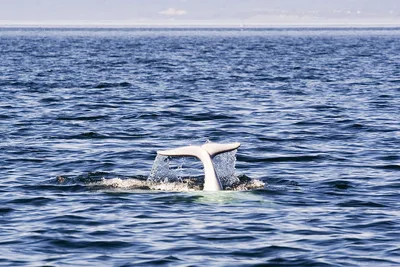 LC
Mammals
Beluga whale
Delphinapterus leucas
The beluga whale is a white toothed whale of Arctic and sub-Arctic seas.
Living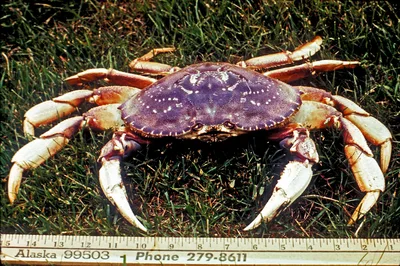
Crustaceans
Dungeness Crab
Metacarcinus magister
The Dungeness crab inhabits the Pacific coast of North America.
Living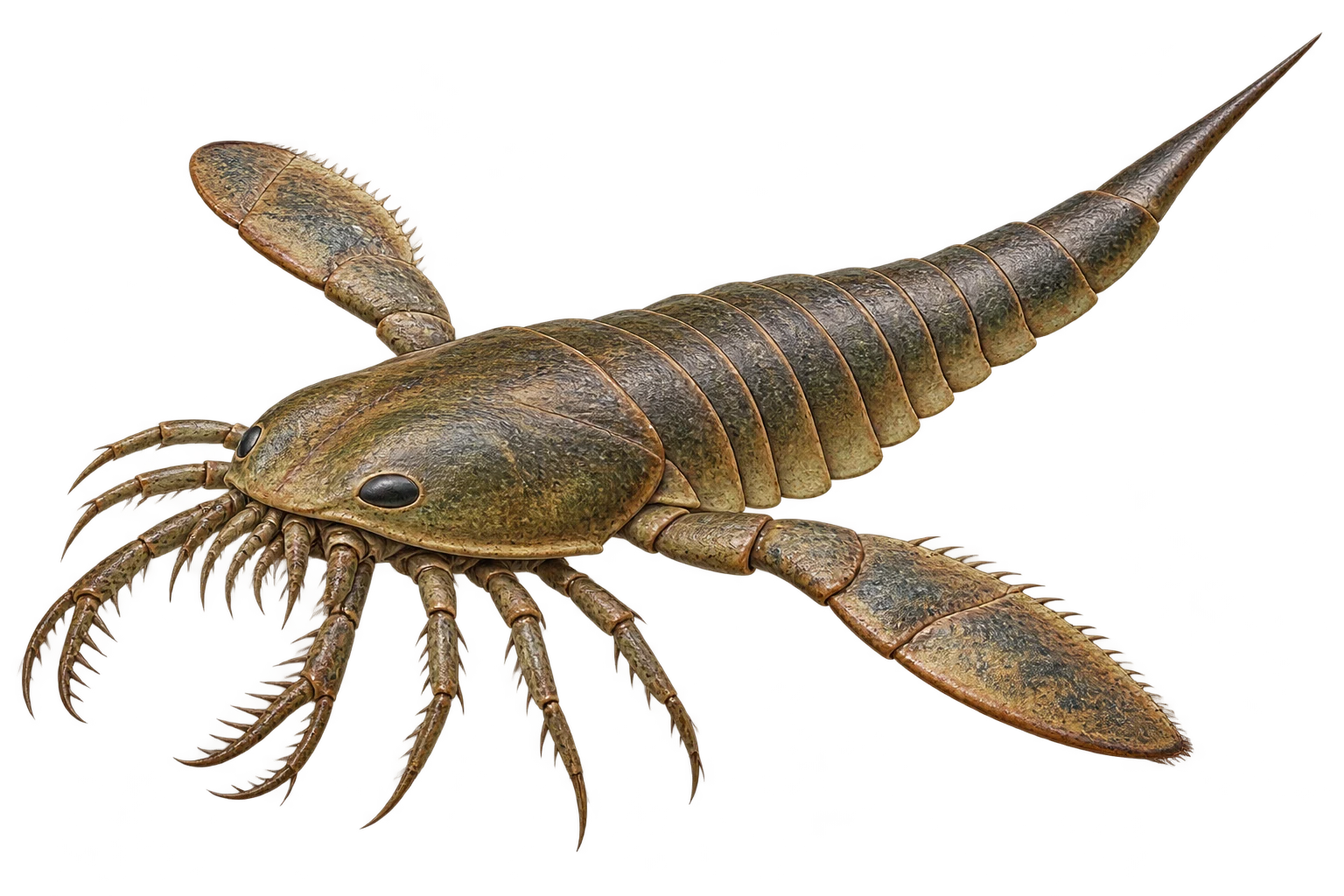
Horseshoe crabs
Eurypterus
Eurypterus
Classification and source reference
ExtinctAI reconstruction