Hagfish
Myxini
Living individuals or members of this group exist today. This does not mean they are safe from extinction.
Hagfishes are jawless marine animals with elongated bodies. This account describes the Atlantic hagfish, a bottom dweller that shelters in mud and produces slime as a defence.
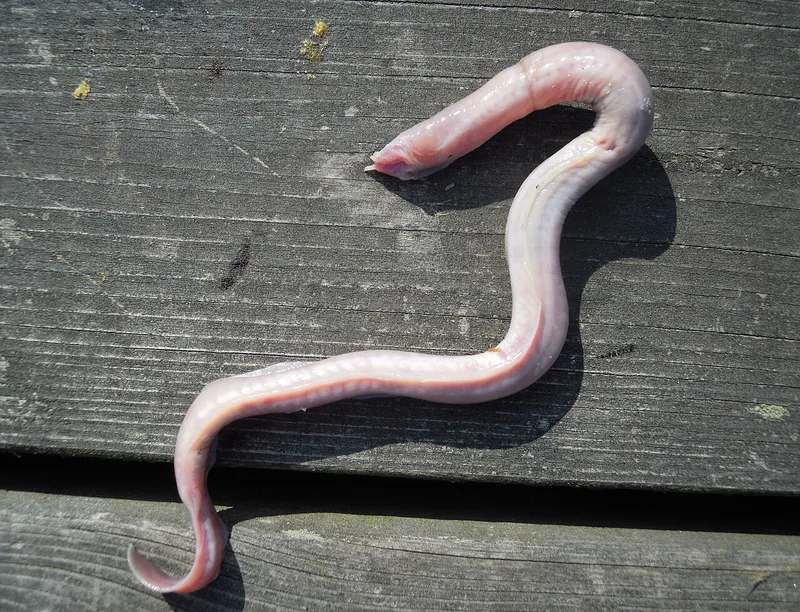
Atlantic hagfish (Myxine glutinosa) photographed out of water.
At a glance
- Location
- Myxine glutinosa is the representative used here. It occurs in the North Atlantic and neighbouring seas, often on muddy seabeds where it can hide within soft sediment.
- Habitat
- Coast, Open ocean
- Diet
- Carnivore
- Food
- Atlantic hagfish feed chiefly on dead or dying fishes and are mainly active at night.
Classification
- Common name
- Hagfish
- Browse group
- Fish
- Scientific name or taxon
- Myxini
- Taxon rank
- class
- Source classification
- Myxini
Taxonomy checked against GBIF. For breeds and hybrids, this describes the listed parent taxon.
Three things to know
- It has no hinged jaw.
- It produces defensive slime.
- Its eggs have anchoring filaments.
Habitat and range
Myxine glutinosa is the representative used here. It occurs in the North Atlantic and neighbouring seas, often on muddy seabeds where it can hide within soft sediment.
Appearance and adaptations
The eel-like body is greyish or reddish-brown and lacks a hinged jaw. A single nostril lies on the head. One pair of external gill openings helps distinguish this species from some other hagfishes.
Diet and behaviour
Atlantic hagfish feed chiefly on dead or dying fishes and are mainly active at night. Their defensive slime can make them difficult for a predator to handle. Eggs bear anchoring filaments at their ends.
Sources
- FishBase: Myxine glutinosa
- A–Z Animals: Hagfish · Directory entry
Explore fish
Browse all fish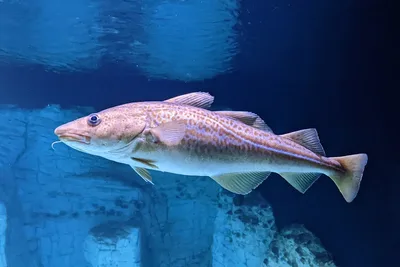
Fish
Atlantic Cod
Gadus morhua
The Atlantic cod is a cold-water fish of the North Atlantic.
Living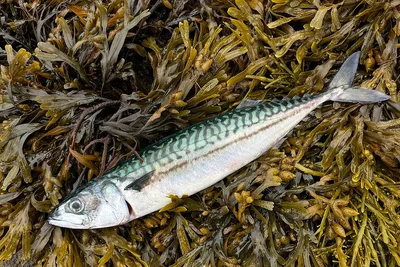
Fish
Atlantic mackerel
Scomber scombrus
Atlantic mackerel are streamlined schooling fishes of northern seas.
Living NT
Fish
Atlantic salmon
Salmo salar
The Atlantic salmon hatches in a river, grows up at sea, and returns to the same river to spawn.
Living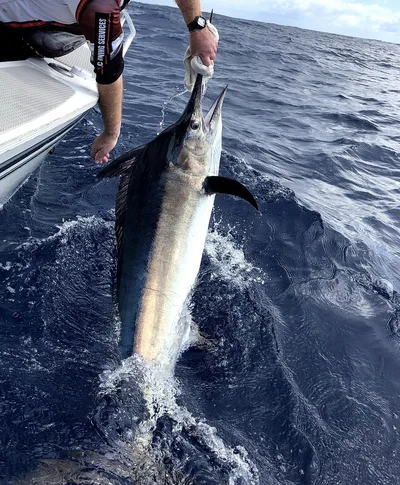
Fish
Black Marlin
Istiompax indica
The black marlin is a large predatory billfish of the Indo-Pacific.
Living