Guinea pig
Cavia
Living individuals or members of this group exist today. This does not mean they are safe from extinction.
Guinea pigs are social rodents kept by people. This account focuses on the domestic guinea pig (Cavia porcellus), rather than every member of the genus Cavia.
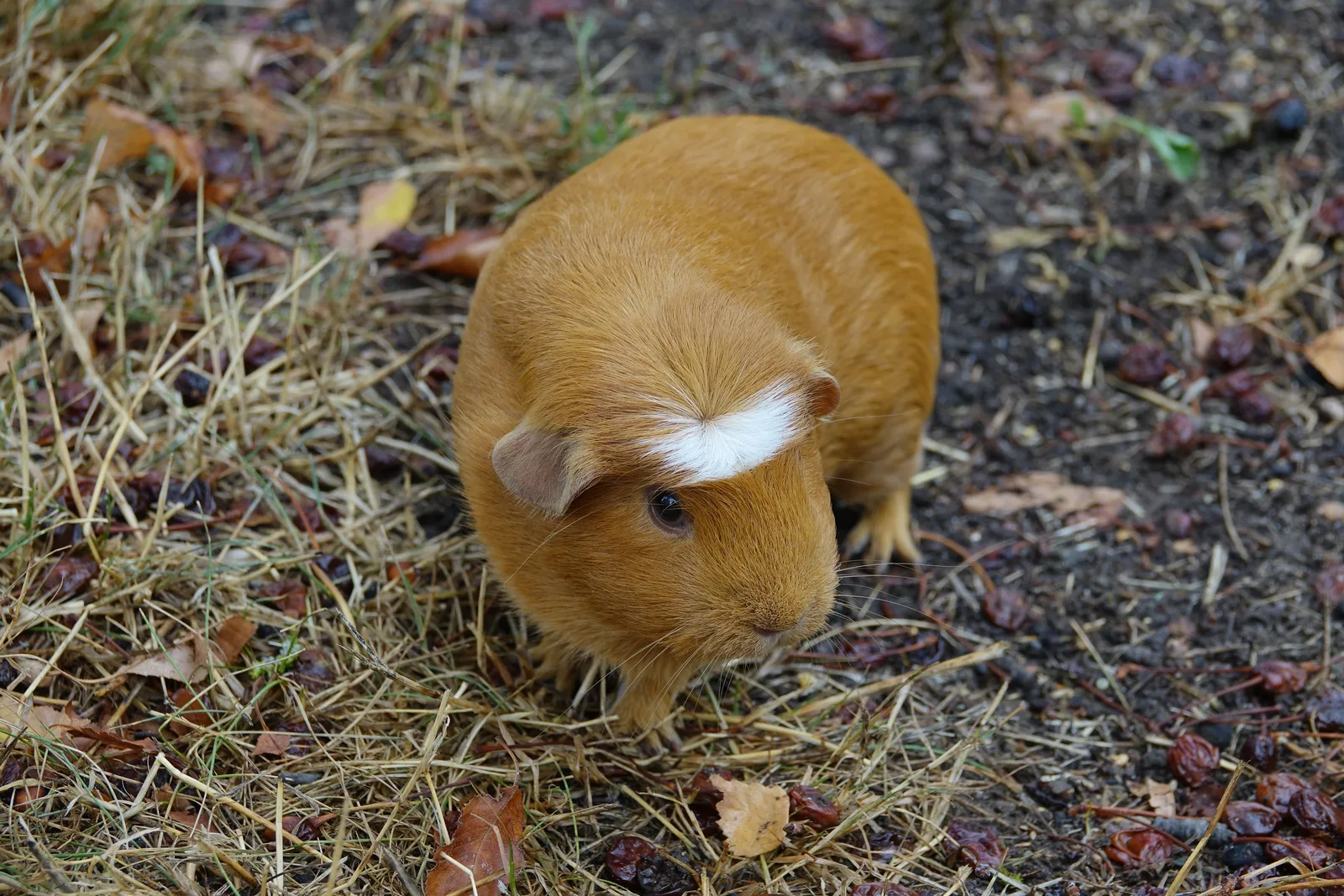
Representative species: Cavia porcellus.
At a glance
- Location
- Domestic guinea pigs have South American origins and are now kept in many countries. Their domestic distribution should not be presented as the wild range of other cavies.
- Habitat
- Towns and cities
- Diet
- Herbivore
- Food
- Grasses, hay and other plant material provide food.
Classification
- Common name
- Guinea pig
- Browse group
- Mammals
- Scientific name or taxon
- Cavia
- Source classification
- Mammalia
Three things to know
- It has no visible tail.
- Its incisors keep growing.
- It is a social rodent.
Habitat and range
Domestic guinea pigs have South American origins and are now kept in many countries. Their domestic distribution should not be presented as the wild range of other cavies.
Appearance and adaptations
A compact body, short legs and rounded ears give it a distinctive shape. Domestic animals vary in coat colour and texture.
Diet and behaviour
Grasses, hay and other plant material provide food. Individuals spend much of their active time feeding, grooming and exploring. Social contact is important, although competition and dominance interactions can occur.
Sources
- Animal Diversity Web: Cavia porcellus
- A–Z Animals: Guinea pig · Directory entry
Explore mammals
Browse all mammals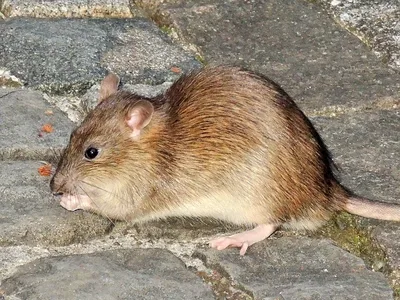 LC
Mammals
Brown rat
Rattus norvegicus
The brown rat is a large, burrowing rodent that lives wherever people live.
LivingMammals
Cat
Felis catus
The domestic cat is a small carnivore with a flexible body and retractile claws.
LivingMammals
Dog
Canis lupus familiaris
The domestic dog is a social canid whose breeds vary greatly in size and appearance.
Living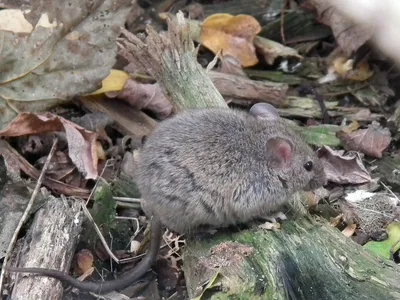 LC
Mammals
House mouse
Mus musculus
The house mouse is a small grey-brown rodent that lives in and around human buildings on every inhabited continent.
Living

