Cat
Felis catus
Living individuals or members of this group exist today. This does not mean they are safe from extinction.
The domestic cat is a small carnivore with a flexible body and retractile claws. It uses scent, posture and sounds to communicate.

Photo by Erik-Jan Leusink on Unsplash
At a glance
- Location
- Human settlements worldwide, with free-ranging and feral cats in many regions.
- Habitat
- Towns and cities
- Diet
- Carnivore
- Food
- Animal prey, including small mammals and birds; many domestic cats receive prepared food.
Classification
- Common name
- Cat
- Browse group
- Mammals
- Scientific name or taxon
- Felis catus
- Taxon rank
- species
- Order
- Carnivora
- Family
- Felidae
- Genus
- Felis
- Source classification
- Mammalia
Taxonomy checked against GBIF. For breeds and hybrids, this describes the listed parent taxon.
Three things to know
- Claws are usually retracted while walking.
- Whiskers provide tactile information.
- Rubbing and scratching can leave scent signals.
Habitat and range
Human settlements worldwide, with free-ranging and feral cats in many regions.
Appearance and adaptations
A flexible spine and sharp claws assist climbing and hunting. Whiskers provide tactile information, while the ears move to help locate sounds.
Diet and behaviour
Cats mark familiar places with scent from rubbing and scratching. Free-ranging individuals can hunt independently, even when they also receive food from people.
More photos

Photo by Maria Teneva on Unsplash
Sources
- Animal Diversity Web: Felis catus
- A–Z Animals: Cat · Directory entry
Explore mammals
Browse all mammals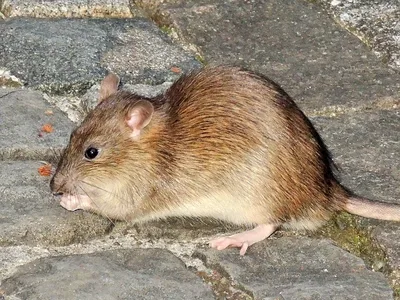 LC
Mammals
Brown rat
Rattus norvegicus
The brown rat is a large, burrowing rodent that lives wherever people live.
LivingMammals
Dog
Canis lupus familiaris
The domestic dog is a social canid whose breeds vary greatly in size and appearance.
Living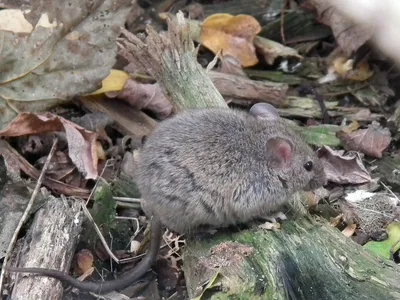 LC
Mammals
House mouse
Mus musculus
The house mouse is a small grey-brown rodent that lives in and around human buildings on every inhabited continent.
Living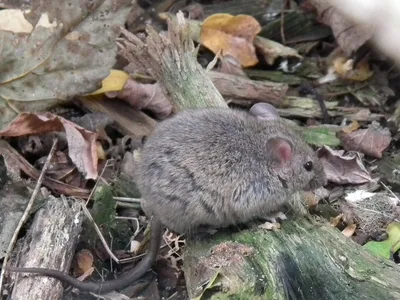
Mammals
Mouse
Muridae
Mice include many small rodents.
Living
