Dung Beetle
Scarabaeidae
Living individuals or members of this group exist today. This does not mean they are safe from extinction.
Dung beetles have several ways of using dung. This account follows the bull-headed dung beetle (Onthophagus taurus), a tunnelling species introduced to North America from Europe.
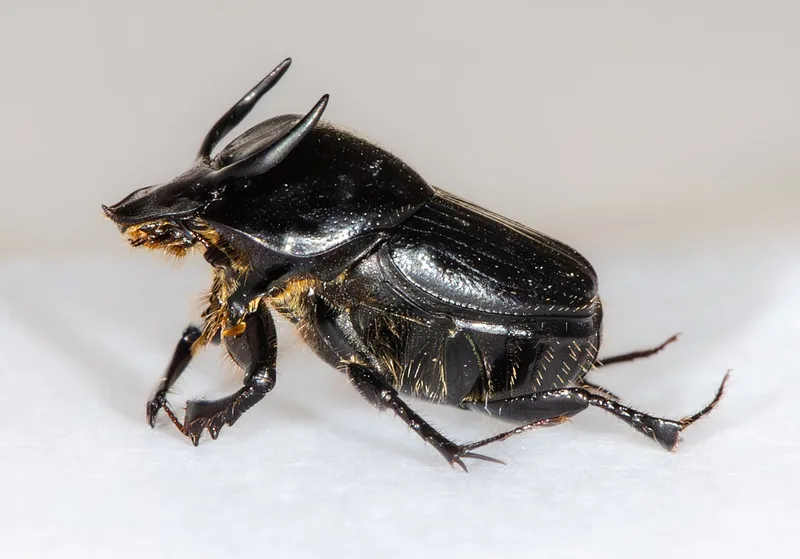
Onthophagus taurus, the representative described in this account.
At a glance
- Location
- Bull-headed dung beetles occur in pastures where animal dung is available.
- Habitat
- Grassland
- Diet
- Detritivore
- Food
- Tunnels beneath a dung pat hold brood balls in which eggs are placed.
Classification
- Common name
- Dung Beetle
- Browse group
- Insects
- Scientific name or taxon
- Scarabaeidae
- Taxon rank
- family
- Order
- Coleoptera
- Family
- Scarabaeidae
- Source classification
- Insecta
Taxonomy checked against GBIF. For breeds and hybrids, this describes the listed parent taxon.
Three things to know
- It is a tunnelling dung beetle.
- Large males bear horns.
- Brood balls are placed underground.
Habitat and range
Bull-headed dung beetles occur in pastures where animal dung is available. The cited Cornell account describes established populations in eastern North America and their European origin.
Appearance and adaptations
Adults are small, shiny black beetles. Large males carry curved horns, while females and smaller males have less conspicuous head armature.
Diet and behaviour
Tunnels beneath a dung pat hold brood balls in which eggs are placed. Using dung as a food resource helps return organic material to the soil rather than leaving it all at the surface.
Sources
- Cornell University: Onthophagus taurus
- A–Z Animals: Dung Beetle · Directory entry
Explore insects
Browse all insects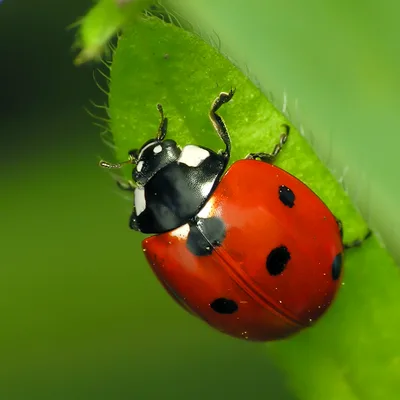
Insects
Ladybug
Coccinellidae
Ladybugs are beetles, many of which hunt plant-feeding insects.
Living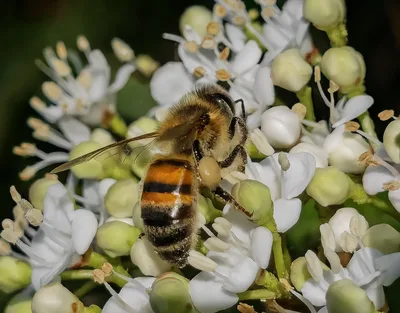 DD
Insects
Western honey bee
Apis mellifera
The western honey bee lives in colonies of tens of thousands and turns nectar into honey.
Living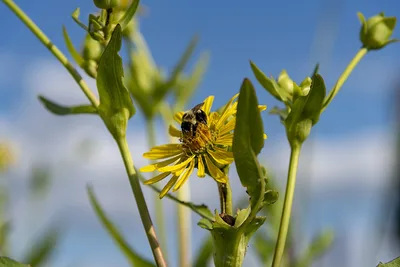
Insects
Bumblebee
Bombus
Bumblebees are social bees that gather nectar and pollen.
Living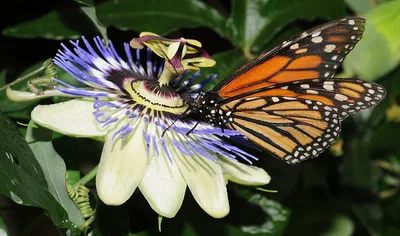
Insects
Butterfly
Lepidoptera
Butterflies have diverse life histories.
Living