Common Frog
Rana temporaria
Living individuals or members of this group exist today. This does not mean they are safe from extinction.
The common frog is a widespread European amphibian that also occurs in northwestern Asia. Adults use damp land habitats and return to water to breed.
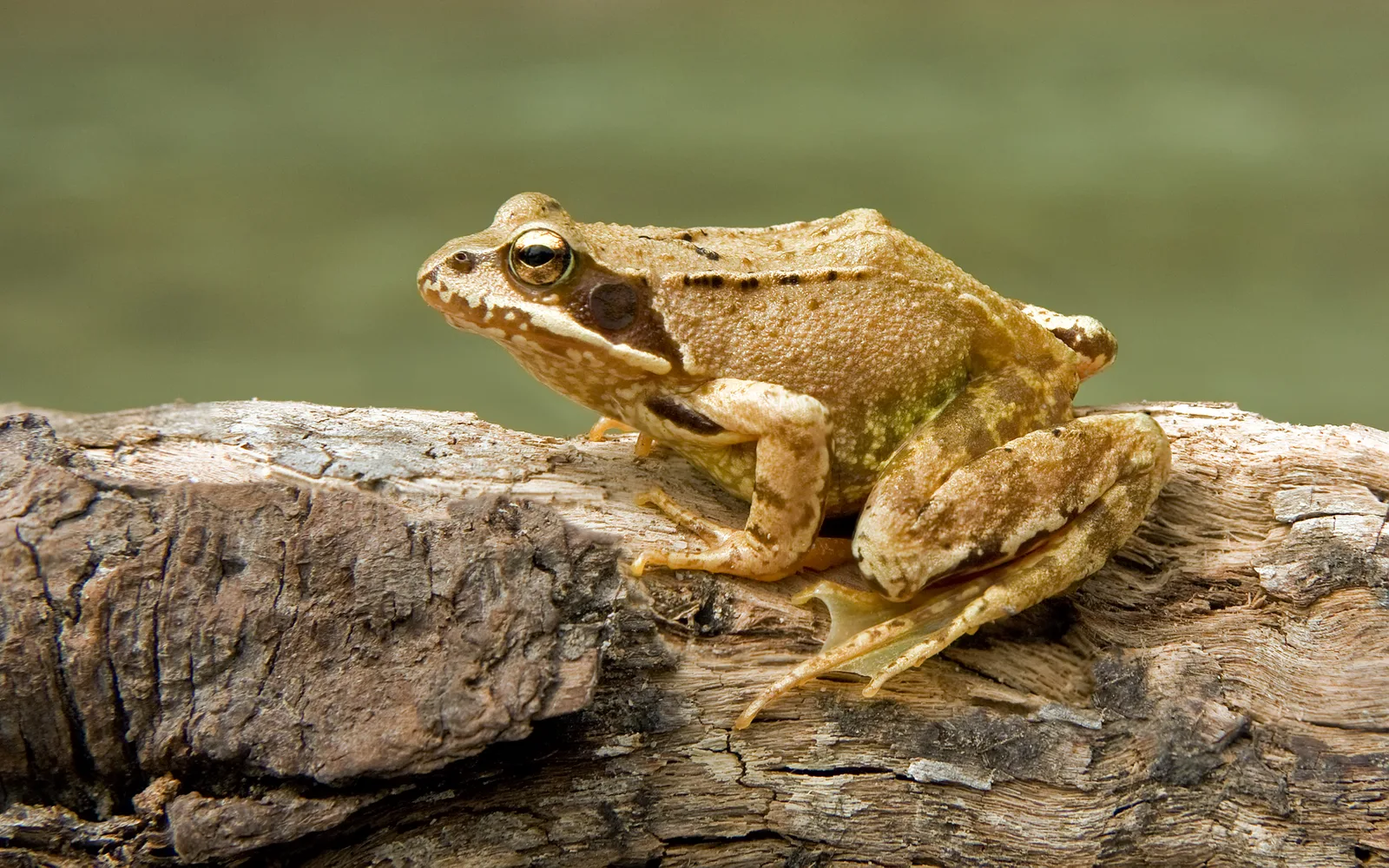
Richard Bartz , Munich aka Makro Freak Image:MFB.jpg · CC BY-SA
At a glance
- Location
- Common frogs inhabit damp woodland, meadows and uplands across Europe and into northwestern Asia. Breeding takes place in freshwater.
- Habitat
- Temperate forest, Wetlands, Mountains, Rivers and lakes
- Diet
- Insectivore
- Food
- Insects, larvae, spiders, snails and worms provide food.
Classification
- Common name
- Common Frog
- Browse group
- Amphibians
- Scientific name or taxon
- Rana temporaria
- Taxon rank
- species
- Order
- Anura
- Family
- Ranidae
- Genus
- Rana
- Source classification
- Amphibia
Taxonomy checked against GBIF. For breeds and hybrids, this describes the listed parent taxon.
Measurements
Size and speed
- Length
- 7.5 to 8 cm adult length reported by ADW
Typical adult ranges. Source: Animal Diversity Web.
Three things to know
- A dark patch lies behind each eye.
- Strong hind legs support jumping and swimming.
- Adults do not tend their eggs.
Habitat and range
Common frogs inhabit damp woodland, meadows and uplands across Europe and into northwestern Asia. Breeding takes place in freshwater.
Appearance and adaptations
Colours vary from brown and grey to olive and other shades. A dark triangular mark covers the area around the eardrum.
Diet and behaviour
Insects, larvae, spiders, snails and worms provide food. Adults shelter in damp places and forage at night or in rainy conditions. They return to water for spawning and seek protected sites in winter.
Sources
- Animal Diversity Web: Rana temporaria
- A–Z Animals: Common Frog · Directory entry
Explore amphibians
Browse all amphibians
Amphibians
Newt
Salamandridae
Newts are salamanders with varied aquatic and terrestrial stages.
Living
Amphibians
American Toad
Anaxyrus americanus
The American toad is a stout amphibian of North America.
Living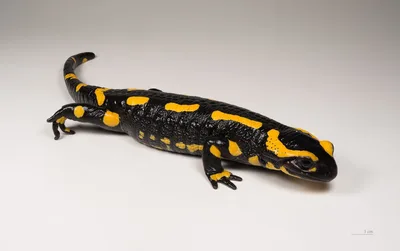
Amphibians
Fire Salamander
Salamandra salamandra
The fire salamander is a dark European amphibian marked with yellow or orange.
Living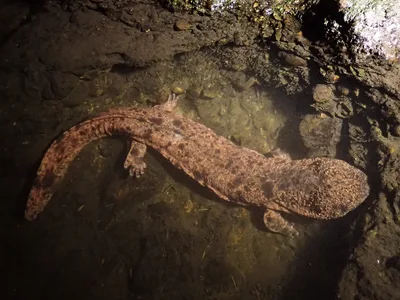
Amphibians
Japanese giant salamander
Andrias japonicus
The Japanese giant salamander spends its life in cool flowing streams.
Living