Capuchin
Cebidae
Living individuals or members of this group exist today. This does not mean they are safe from extinction.
Capuchins are agile American monkeys with grasping tails and varied diets. This account describes white-faced capuchins using the older, broad species treatment in the cited Animal Diversity Web account.
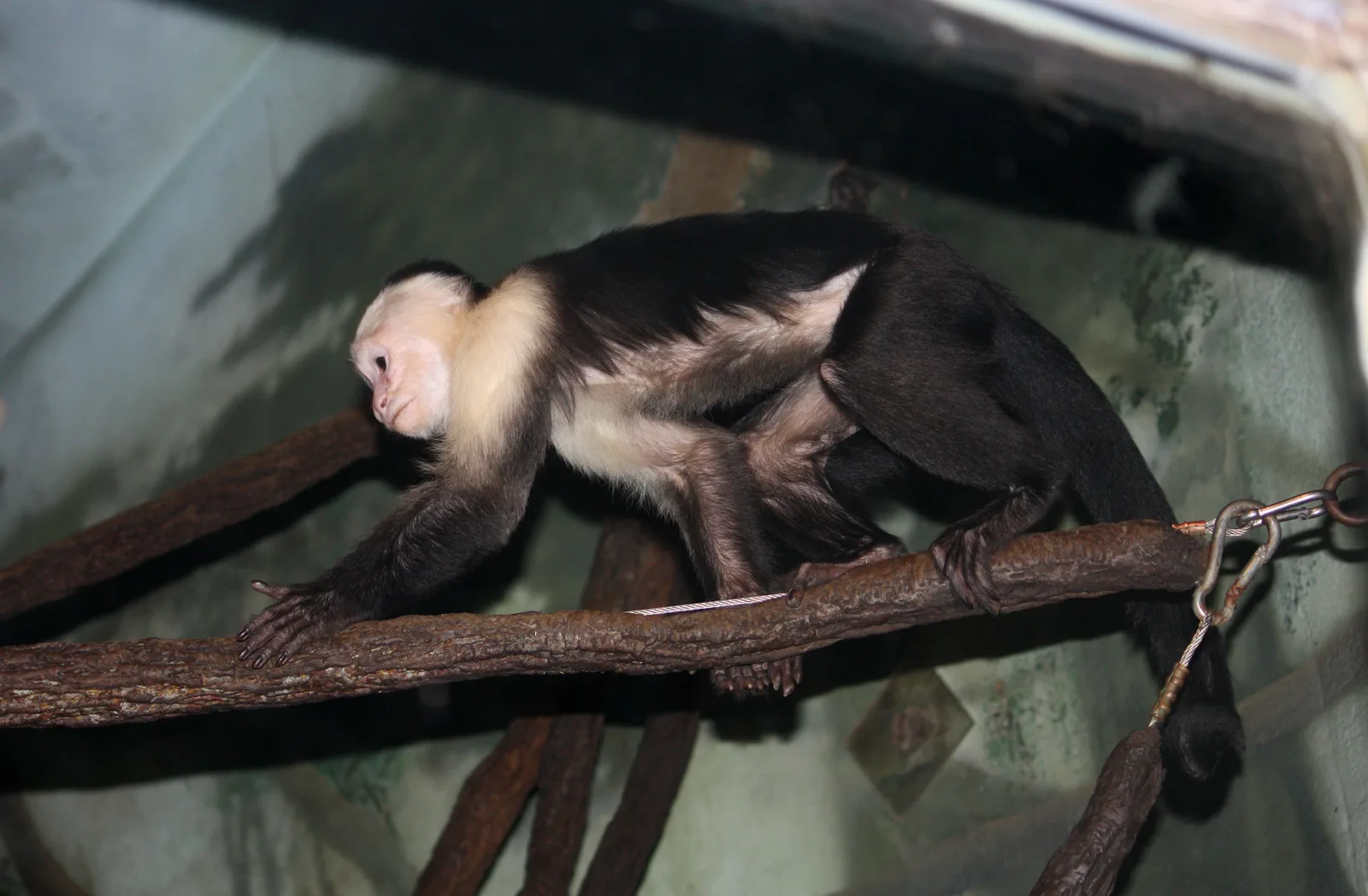
Colombian white-faced capuchin (Cebus capucinus) at the Bronx Zoo; the source text uses a broader historical species treatment.
At a glance
- Location
- White-faced capuchins inhabit tropical forests in Central America and northwestern South America. Some authors distinguish Central American Cebus imitator as a separate species, while the Mammal Diversity Database provisionally includes it within Cebus capucinus. This account follows the broader treatment.
- Habitat
- Rainforest
- Diet
- Omnivore
- Food
- Fruit is a major food, with seeds, insects and small vertebrates adding variety.
Classification
- Common name
- Capuchin
- Browse group
- Mammals
- Scientific name or taxon
- Cebidae
- Taxon rank
- family
- Order
- Primates
- Family
- Cebidae
- Source classification
- Mammalia
Taxonomy checked against GBIF. For breeds and hybrids, this describes the listed parent taxon.
Three things to know
- White-faced capuchins have pale fur around the face.
- Their grasping tails provide support while climbing.
- They eat fruit as well as insects and small animals.
Habitat and range
White-faced capuchins inhabit tropical forests in Central America and northwestern South America. Some authors distinguish Central American Cebus imitator as a separate species, while the Mammal Diversity Database provisionally includes it within Cebus capucinus. This account follows the broader treatment.
Appearance and adaptations
White-faced capuchins contrast a dark back and crown with pale fur around the face, shoulders and upper chest. They climb and leap through trees, using a grasping tail for extra support. The photograph shows a Colombian white-faced capuchin.
Diet and behaviour
Fruit is a major food, with seeds, insects and small vertebrates adding variety. These monkeys search actively for food during daylight. They live in social groups, where young animals spend time playing and watching older individuals.
Sources
Explore mammals
Browse all mammals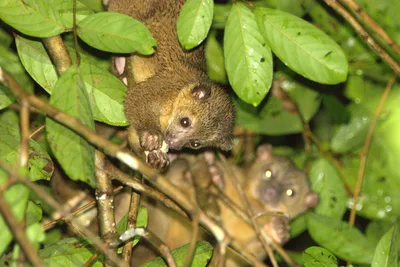 LC
Mammals
Kinkajou
Potos flavus
The kinkajou is a small nocturnal relative of the raccoon that lives in the canopy of tropical forests from Mexico to Brazil.
Living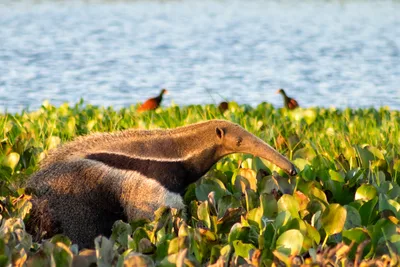
Mammals
Anteater
Myrmecophagidae
Anteaters are insect-eating mammals with elongated snouts.
Living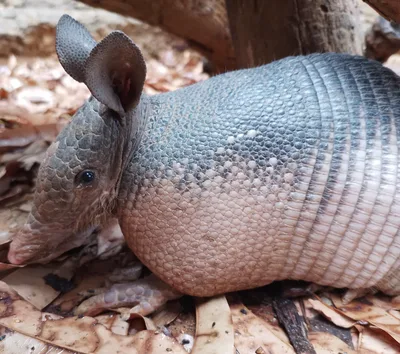
Mammals
Armadillo
Cingulata
Armadillos are American mammals with bony armour.
Living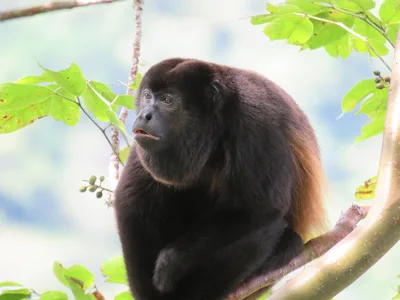
Mammals
Howler Monkey
Alouatta
Howler monkeys are tree-dwelling American primates known for their powerful calls.
Living