Anteater
Myrmecophagidae
Living individuals or members of this group exist today. This does not mean they are safe from extinction.
Anteaters are insect-eating mammals with elongated snouts. This account describes the giant anteater (Myrmecophaga tridactyla), a mostly ground-dwelling species of tropical America.
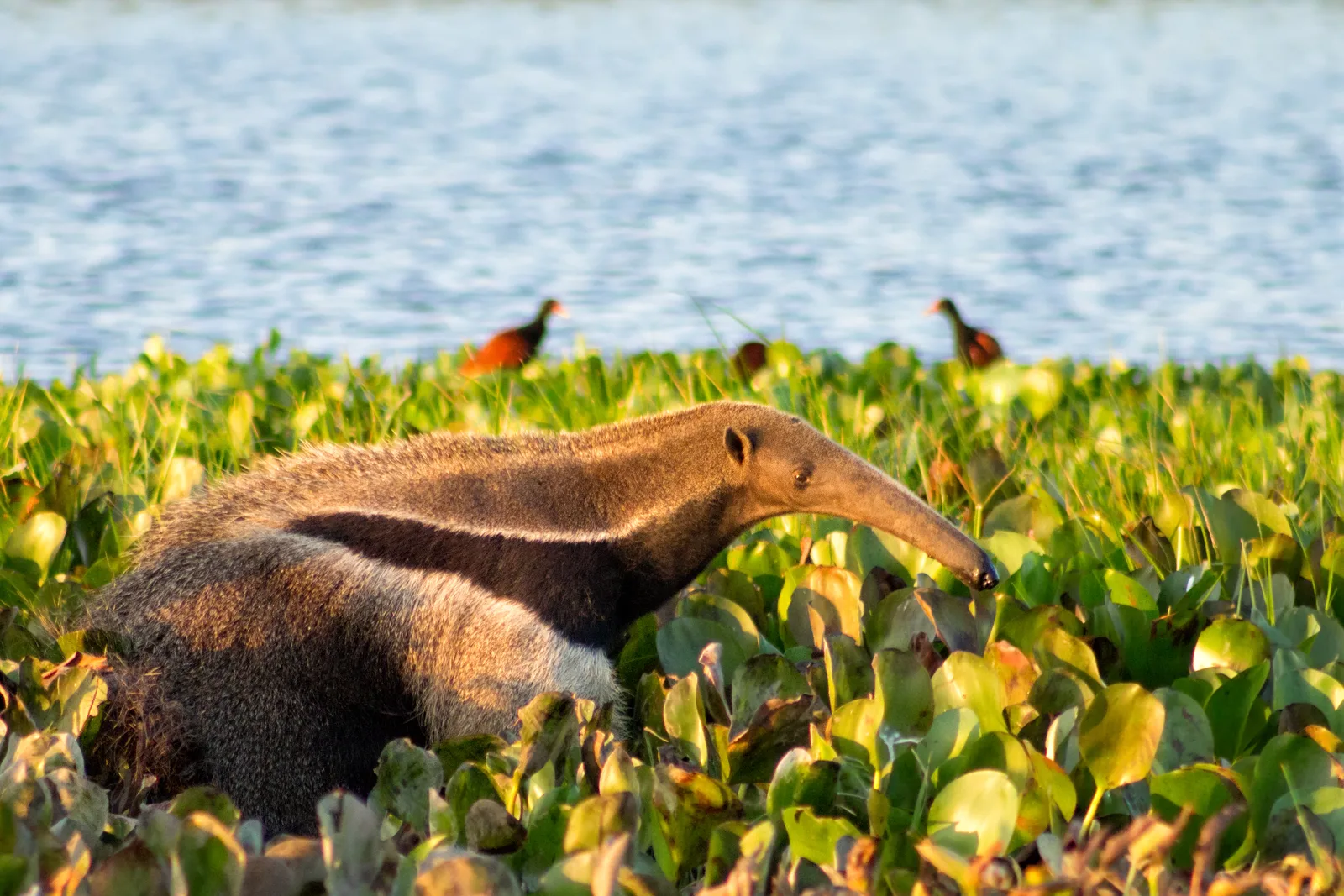
Representative species: Myrmecophaga tridactyla.
At a glance
- Location
- Giant anteaters inhabit parts of Central and South America. Grasslands, forests and wet areas provide feeding grounds, while secluded cover offers resting places.
- Habitat
- Grassland, Rainforest, Wetlands
- Diet
- Insectivore
- Food
- Ants, termites and soft-bodied insect larvae make up most meals.
Classification
- Common name
- Anteater
- Browse group
- Mammals
- Scientific name or taxon
- Myrmecophagidae
- Taxon rank
- family
- Order
- Pilosa
- Family
- Myrmecophagidae
- Source classification
- Mammalia
Taxonomy checked against GBIF. For breeds and hybrids, this describes the listed parent taxon.
Three things to know
- It has no teeth.
- Its large foreclaws open insect colonies.
- A sticky tongue gathers insects.
Habitat and range
Giant anteaters inhabit parts of Central and South America. Grasslands, forests and wet areas provide feeding grounds, while secluded cover offers resting places.
Appearance and adaptations
A narrow snout and bushy tail give this species a distinctive outline. Long foreclaws are folded out of the way when it walks.
Diet and behaviour
Ants, termites and soft-bodied insect larvae make up most meals. Usually solitary, it visits insect colonies briefly before moving on. Activity can shift with weather and human disturbance; it also swims readily.
Sources
- Animal Diversity Web: Myrmecophaga tridactyla
- A–Z Animals: Anteater · Directory entry
Explore mammals
Browse all mammals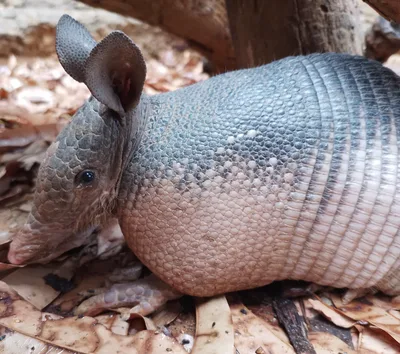
Mammals
Armadillo
Cingulata
Armadillos are American mammals with bony armour.
Living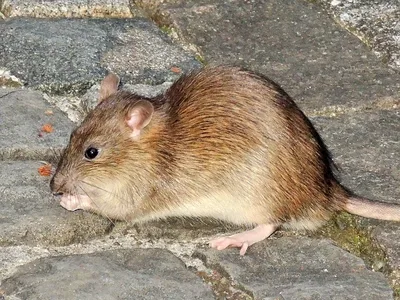 LC
Mammals
Brown rat
Rattus norvegicus
The brown rat is a large, burrowing rodent that lives wherever people live.
Living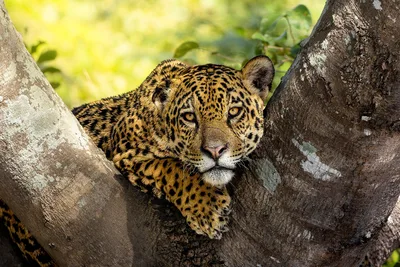 NT
Mammals
Jaguar
Panthera onca
The jaguar is the largest cat in the Americas and the third largest in the world.
Living LC
Mammals
Ocelot
Leopardus pardalis
The ocelot is a medium-sized spotted cat of the Americas, from Texas to northern Argentina.
Living