Howler Monkey
Alouatta
Living individuals or members of this group exist today. This does not mean they are safe from extinction.
Howler monkeys are tree-dwelling American primates known for their powerful calls. This account follows the mantled howler, a dark monkey whose diet is dominated by leaves, fruit and flowers.
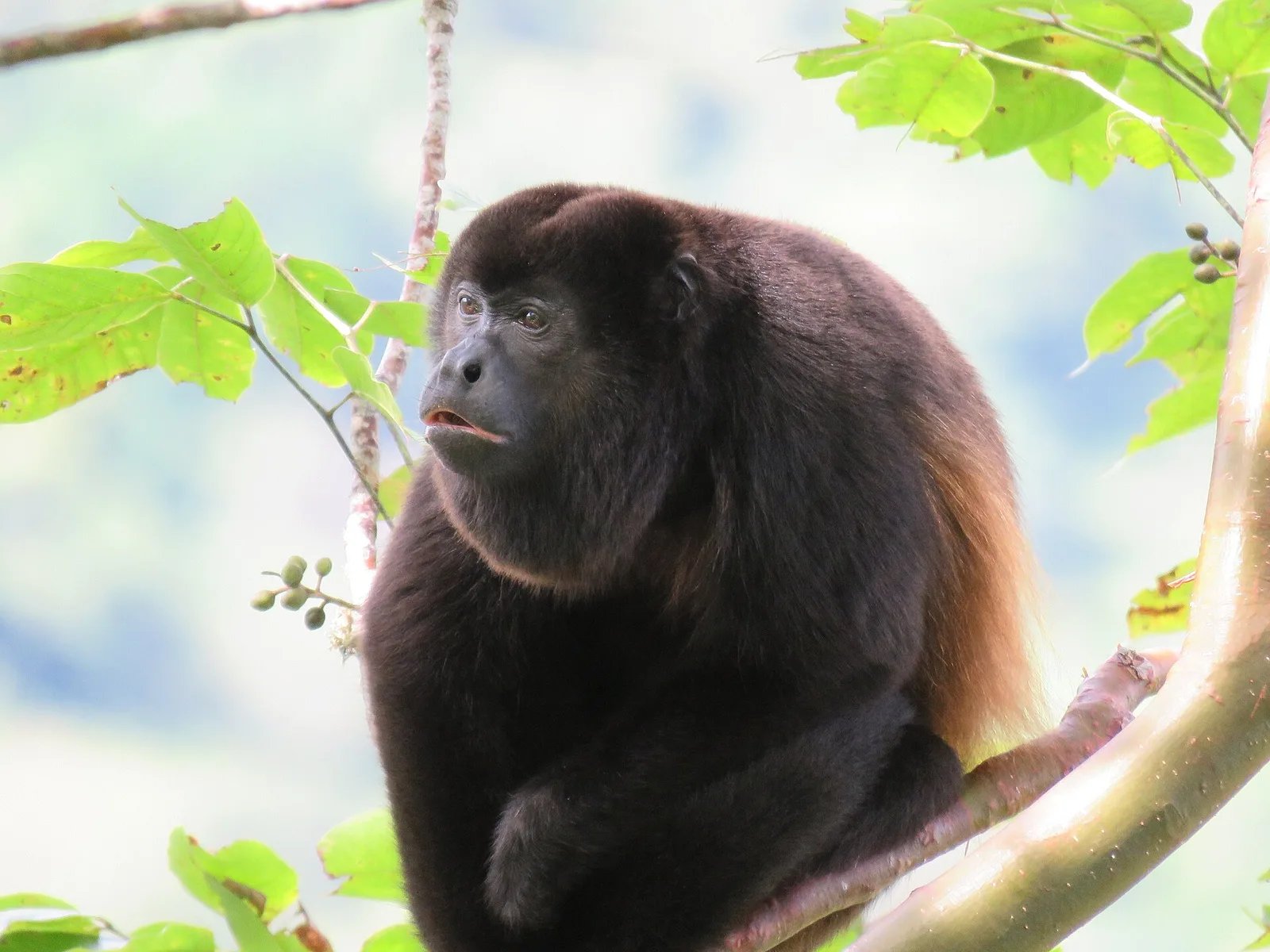
Mantled howler (Alouatta palliata), the representative described in this account, photographed in Panama.
At a glance
- Location
- The mantled howler, Alouatta palliata, is the representative used here. It occupies tropical forests from southern Mexico through parts of Central America into northwestern South America. Both mature rainforest and regenerating forest can provide habitat.
- Habitat
- Rainforest
- Diet
- Herbivore
- Food
- Leaves, fruit and flowers supply most food, with young leaves often preferred.
Classification
- Common name
- Howler Monkey
- Browse group
- Mammals
- Scientific name or taxon
- Alouatta
- Taxon rank
- genus
- Order
- Primates
- Family
- Atelidae
- Genus
- Alouatta
- Source classification
- Mammalia
Taxonomy checked against GBIF. For breeds and hybrids, this describes the listed parent taxon.
Three things to know
- The mantled howler has longer flank hair forming a mantle.
- Its tail can grip branches.
- Young leaves are important foods.
Habitat and range
The mantled howler, Alouatta palliata, is the representative used here. It occupies tropical forests from southern Mexico through parts of Central America into northwestern South America. Both mature rainforest and regenerating forest can provide habitat.
Appearance and adaptations
Dark fur covers much of the body, with longer yellowish or brownish hairs along the flanks giving the species its name. The grasping tail has a bare contact pad and provides support as the animal moves and feeds among branches.
Diet and behaviour
Leaves, fruit and flowers supply most food, with young leaves often preferred. Food choices shift as different plants become available. These social canopy monkeys use loud calls to communicate between groups, and their daily activity conserves energy.
Sources
- Animal Diversity Web: Alouatta palliata
- A–Z Animals: Howler Monkey · Directory entry
Explore mammals
Browse all mammals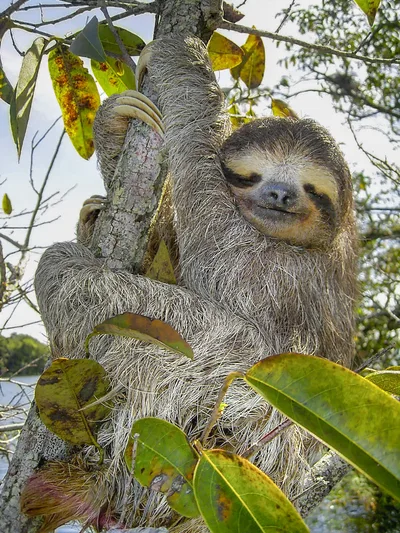
Mammals
Sloth
Folivora (within order Pilosa)
Sloths are tree-dwelling mammals.
Living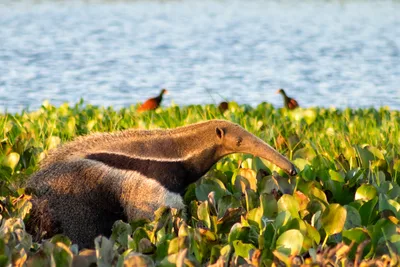
Mammals
Anteater
Myrmecophagidae
Anteaters are insect-eating mammals with elongated snouts.
Living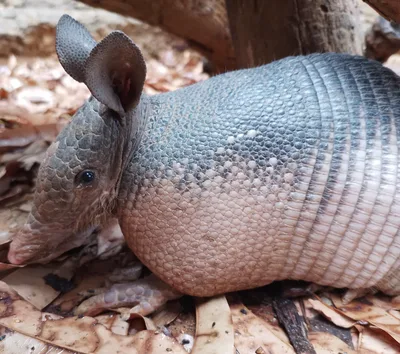
Mammals
Armadillo
Cingulata
Armadillos are American mammals with bony armour.
Living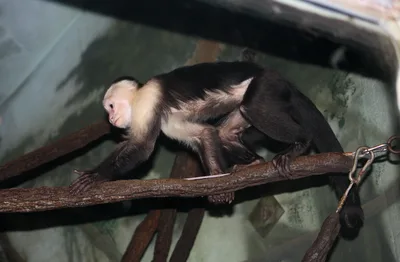
Mammals
Capuchin
Cebidae
Capuchins are agile American monkeys with grasping tails and varied diets.
Living