Bigfin Reef Squid
Sepioteuthis lessoniana
Living individuals or members of this group exist today. This does not mean they are safe from extinction.
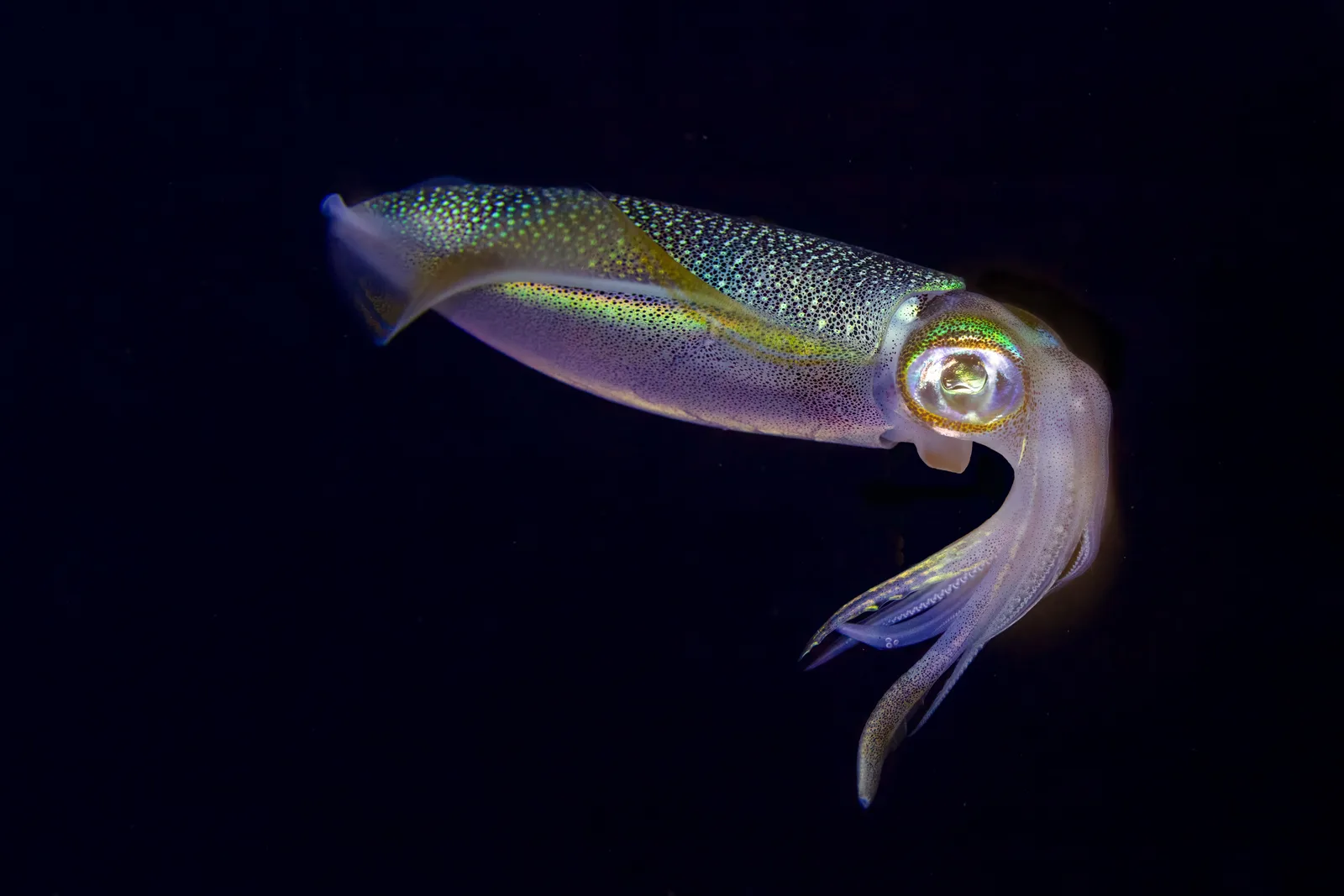
The bigfin reef squid lives in warm coastal waters around reefs and seagrass. Broad fins and rapid skin-pattern changes distinguish this active predator.
At a glance
- Location
- Warm Indo-Pacific coastal waters, around reefs, seagrass beds, rocks and sandy seabeds.
- Habitat
- Coast, Coral reef
- Diet
- Carnivore
- Food
- Fish, molluscs and other marine invertebrates.
Classification
- Common name
- Bigfin Reef Squid
- Browse group
- Molluscs
- Scientific name or taxon
- Sepioteuthis lessoniana
- Taxon rank
- species
- Order
- Myopsida
- Family
- Loliginidae
- Genus
- Sepioteuthis
- Source classification
- Cephalopoda
Taxonomy checked against GBIF. For breeds and hybrids, this describes the listed parent taxon.
Three things to know
- Its broad fins give it a cuttlefish-like outline.
- Skin pigment cells change colour and pattern.
- It can release ink when threatened.
Habitat and range
Warm Indo-Pacific coastal waters, around reefs, seagrass beds, rocks and sandy seabeds.
Appearance and adaptations
A pair of broad fins runs beside the mantle. Pigmented skin cells change the pattern, and an ink sac provides another defence.
Diet and behaviour
It uses feeding tentacles to seize prey and a beak to break it apart. Shallow nighttime feeding alternates with deeper water or shelter by day.
Sources
Explore molluscs
Browse all molluscs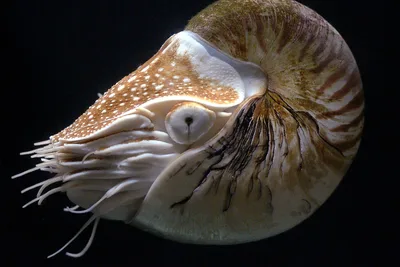
Molluscs
Nautilus
Nautilus
Nautiluses are shelled cephalopods.
Living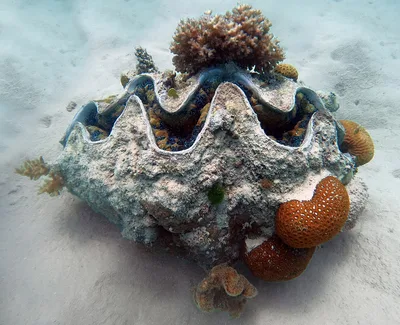
Molluscs
Giant Clam
Tridacna gigas
The giant clam is a large reef-dwelling bivalve of the tropical Indo-Pacific.
Living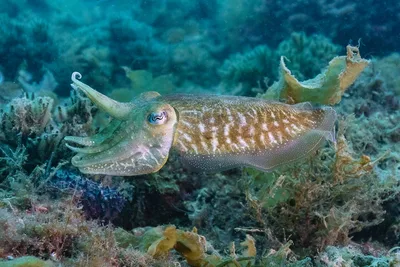
Molluscs
Cuttlefish
Sepiida
Cuttlefish are shell-bearing cephalopods with remarkable camouflage.
Living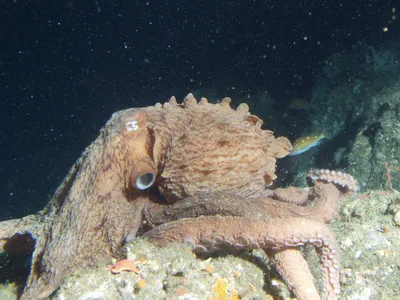 LC
Molluscs
Giant Pacific octopus
Enteroctopus dofleini
The giant Pacific octopus is the largest octopus.
Living