Triggerfish
Balistidae
Living individuals or members of this group exist today. This does not mean they are safe from extinction.
Triggerfishes have deep bodies and strong fin spines. This account follows the grey triggerfish, an Atlantic species that feeds on small animals living on or close to the seabed.
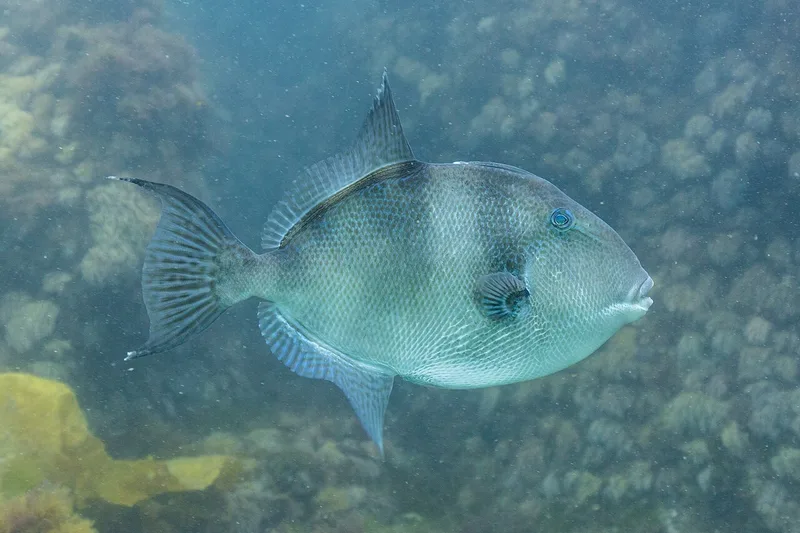
Grey triggerfish (Balistes capriscus), the representative described here.
At a glance
- Location
- Balistes capriscus is the representative described here. It uses Atlantic bays, lagoons, harbours and reefs. Young fish may associate with floating Sargassum, while larger animals often remain nearer the bottom.
- Habitat
- Coral reef, Coast
- Diet
- Carnivore
- Food
- Molluscs, crustaceans and other bottom invertebrates provide food.
Classification
- Common name
- Triggerfish
- Browse group
- Fish
- Scientific name or taxon
- Balistidae
- Taxon rank
- family
- Order
- Tetraodontiformes
- Family
- Balistidae
- Source classification
- Actinopterygii
Taxonomy checked against GBIF. For breeds and hybrids, this describes the listed parent taxon.
Three things to know
- It has plate-like scales.
- It eats bottom-living invertebrates.
- Young fish can associate with floating Sargassum.
Habitat and range
Balistes capriscus is the representative described here. It uses Atlantic bays, lagoons, harbours and reefs. Young fish may associate with floating Sargassum, while larger animals often remain nearer the bottom.
Appearance and adaptations
A small mouth sits on a tall body covered with plate-like scales. Faint bars, small blue spots and short lines can appear on the body and fins.
Diet and behaviour
Molluscs, crustaceans and other bottom invertebrates provide food. Grey triggerfish can occur alone or in small groups. Their habitats link sheltered coastal waters with more exposed reef areas.
Sources
- FishBase: Balistes capriscus
- A–Z Animals: Triggerfish · Directory entry
Explore fish
Browse all fish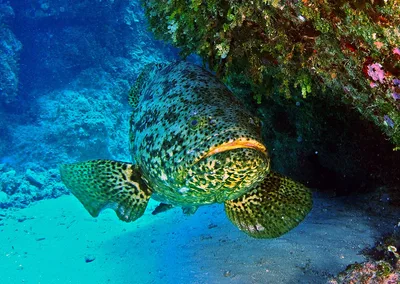
Fish
Grouper Fish
Epinephelinae
Groupers are stout predatory fishes with large mouths.
Living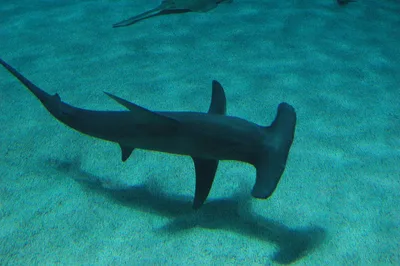
Fish
Hammerhead Shark
Sphyrnidae
Hammerhead sharks have unusually wide heads.
Living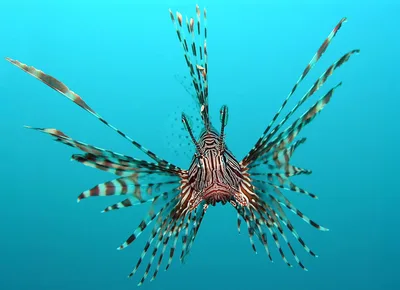
Fish
Lionfish
Pterois
Lionfishes are striking marine predators with long fin rays and venomous spines.
Living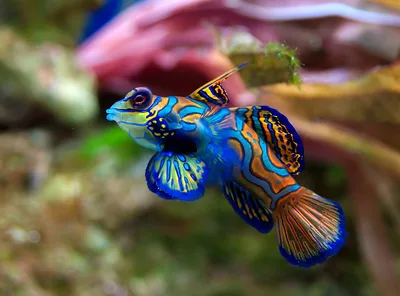
Fish
Mandarin fish
Synchiropus splendidus
The mandarinfish is a small, vividly patterned marine dragonet.
Living