Sardines
Clupeidae
Living individuals or members of this group exist today. This does not mean they are safe from extinction.
Sardine is a common name applied to several small schooling fishes. This account follows the Pacific sardine, using the California-region population to describe its coastal movements and plankton feeding.
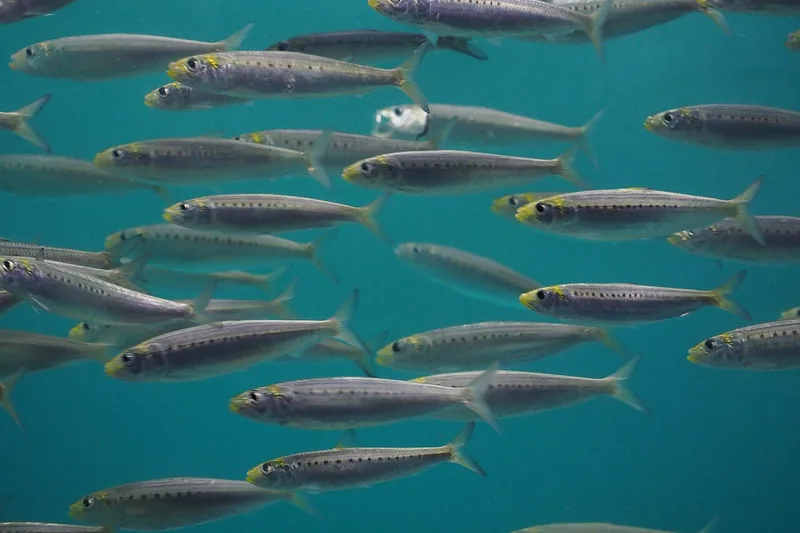
Pacific sardine (Sardinops sagax), the representative described here.
At a glance
- Location
- The representative is Sardinops sagax. The cited FishBase account groups several regional forms, so this text focuses on the northeastern Pacific rather than treating every sardine as one worldwide population.
- Habitat
- Coast, Open ocean
- Diet
- Filter feeder
- Food
- Plankton supply food, with the balance of animal and plant plankton changing with age.
Classification
- Common name
- Sardines
- Browse group
- Fish
- Scientific name or taxon
- Clupeidae
- Taxon rank
- family
- Order
- Clupeiformes
- Family
- Clupeidae
- Source classification
- Actinopterygii
Taxonomy checked against GBIF. For breeds and hybrids, this describes the listed parent taxon.
Three things to know
- It forms coastal schools.
- Plankton supply its food.
- California-region fish move seasonally.
Habitat and range
The representative is Sardinops sagax. The cited FishBase account groups several regional forms, so this text focuses on the northeastern Pacific rather than treating every sardine as one worldwide population.
Appearance and adaptations
A blue-green back contrasts with pale silvery sides. Dark spots can form rows along the flanks. The rounded body and schooling habit are characteristic of this small pelagic fish.
Diet and behaviour
Plankton supply food, with the balance of animal and plant plankton changing with age. Coastal schools move seasonally; California-region fish tend to move north in summer and return south in autumn.
Sources
- FishBase: Sardinops sagax
- A–Z Animals: Sardines · Directory entry
Explore fish
Browse all fish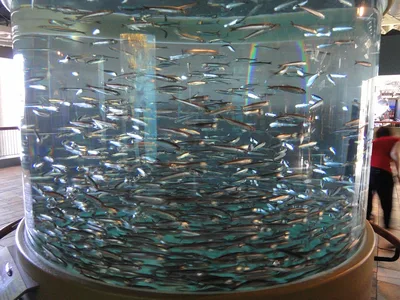
Fish
Anchovy
Engraulidae
Anchovies are small schooling fishes.
Living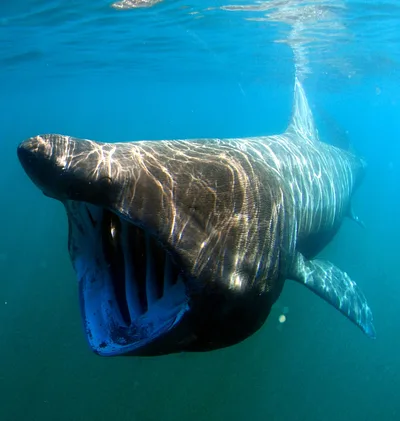
Fish
Basking Shark
Cetorhinus maximus
The basking shark is a very large fish that gathers small plankton rather than chasing large prey.
Living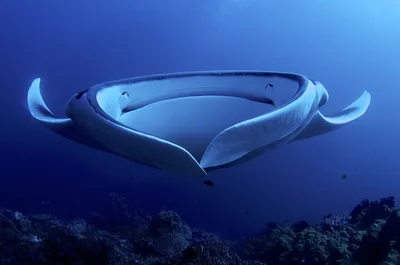
Fish
Manta Ray
Mobula
Mantas are large rays that filter small animals from seawater.
Living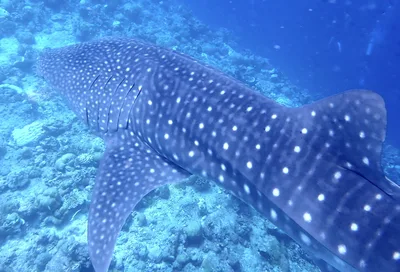 EN
Fish
Whale shark
Rhincodon typus
The whale shark is the largest fish in the sea.
Living