Porcupinefish
Diodontidae
Living individuals or members of this group exist today. This does not mean they are safe from extinction.
Porcupinefishes can inflate their bodies when threatened. This account describes the long-spined porcupinefish, whose normally flattened spines rise as the body expands.
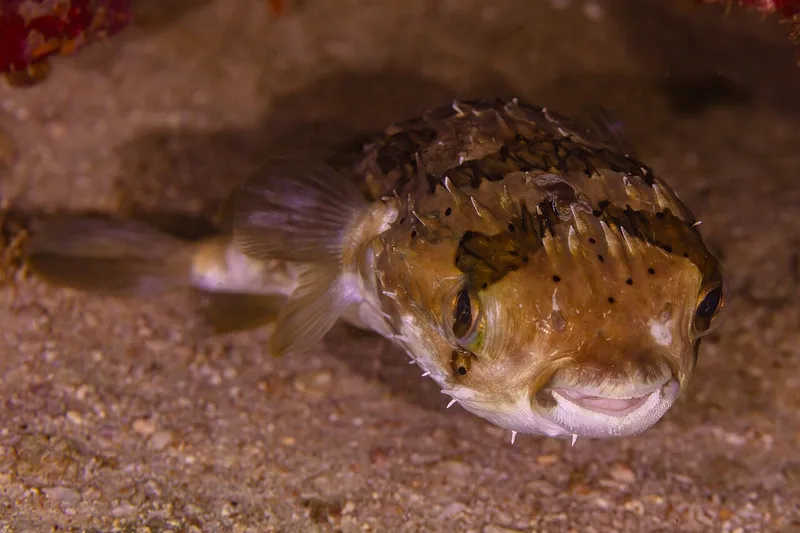
Long-spined porcupinefish (Diodon holocanthus), the representative described here.
At a glance
- Location
- Diodon holocanthus is the representative used here. It inhabits tropical seas, often using reefs, grassy flats and mangrove margins. The young spend part of their development in open water.
- Habitat
- Coral reef, Coast
- Diet
- Carnivore
- Food
- Snails, sea urchins and crabs are among the prey.
Classification
- Common name
- Porcupinefish
- Browse group
- Fish
- Scientific name or taxon
- Diodontidae
- Taxon rank
- family
- Order
- Tetraodontiformes
- Family
- Diodontidae
- Source classification
- Actinopterygii
Taxonomy checked against GBIF. For breeds and hybrids, this describes the listed parent taxon.
Three things to know
- Its spines are modified scales.
- Fused teeth form a strong beak.
- It often feeds at night.
Habitat and range
Diodon holocanthus is the representative used here. It inhabits tropical seas, often using reefs, grassy flats and mangrove margins. The young spend part of their development in open water.
Appearance and adaptations
Long spines are modified scales that usually lie against the body. Dark patches break up the outline. Fused teeth make a strong beak for breaking hard-shelled food.
Diet and behaviour
Snails, sea urchins and crabs are among the prey. Feeding often takes place at night. Inflation serves as a defence rather than a normal swimming posture.
Sources
- Animal Diversity Web: Diodon holocanthus
- A–Z Animals: Porcupinefish · Directory entry
Explore fish
Browse all fish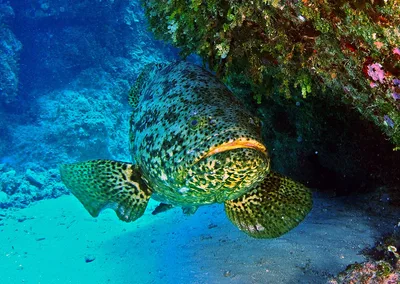
Fish
Grouper Fish
Epinephelinae
Groupers are stout predatory fishes with large mouths.
Living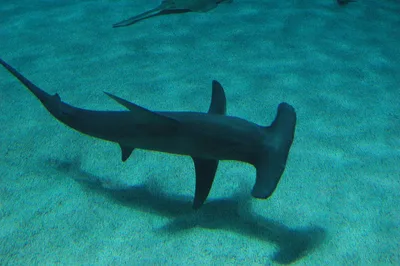
Fish
Hammerhead Shark
Sphyrnidae
Hammerhead sharks have unusually wide heads.
Living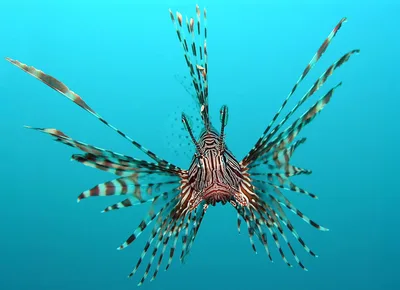
Fish
Lionfish
Pterois
Lionfishes are striking marine predators with long fin rays and venomous spines.
Living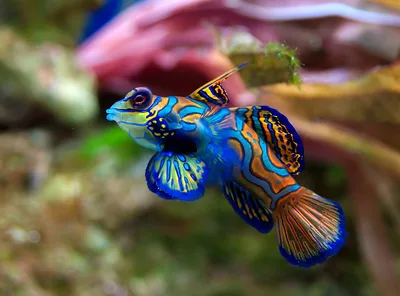
Fish
Mandarin fish
Synchiropus splendidus
The mandarinfish is a small, vividly patterned marine dragonet.
Living