Marine Toad
Rhinella marina
Living individuals or members of this group exist today. This does not mean they are safe from extinction.
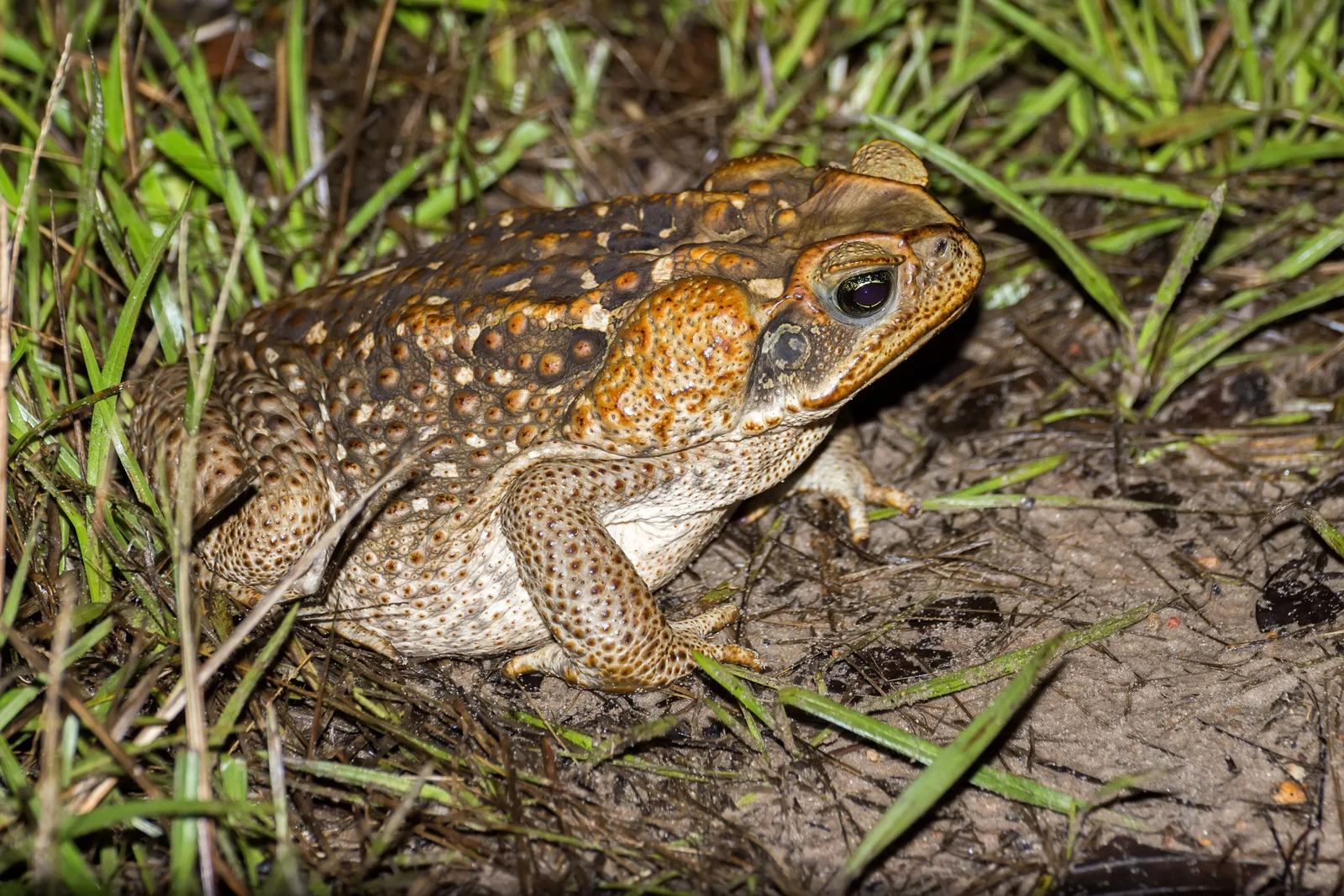
The cane toad, also called the marine toad, is a large American amphibian introduced to several other regions. Prominent glands behind the head produce defensive secretions.
At a glance
- Location
- Native to parts of the Americas, with introduced populations including Australia and some islands.
- Habitat
- Grassland, Temperate forest, Wetlands
- Diet
- Insectivore
- Food
- Insects and other available small animals, with opportunistic feeding on additional foods.
Classification
- Common name
- Marine Toad
- Browse group
- Amphibians
- Scientific name or taxon
- Rhinella marina
- Taxon rank
- species
- Order
- Anura
- Family
- Bufonidae
- Genus
- Rhinella
- Source classification
- Amphibia
Taxonomy checked against GBIF. For breeds and hybrids, this describes the listed parent taxon.
Measurements
Size and speed
- Length
- 15 to 17.5 cm, up to 23.8 cm usual adult length and reported maximum
Typical adult ranges. Source: Animal Diversity Web.
Three things to know
- Cane toad and marine toad are alternative names.
- Large defensive glands sit behind the eyes.
- It often forages after dark.
Habitat and range
Native to parts of the Americas, with introduced populations including Australia and some islands.
Appearance and adaptations
Warty skin covers a broad body. Large parotoid glands sit behind the eyes, and the underside is paler than the back.
Diet and behaviour
It commonly searches for food after dark. Dry or cold conditions can reduce activity, while defensive gland secretions deter some would-be predators.
Sources
- Animal Diversity Web: Rhinella marina
- A–Z Animals: Marine Toad · Directory entry
Explore amphibians
Browse all amphibians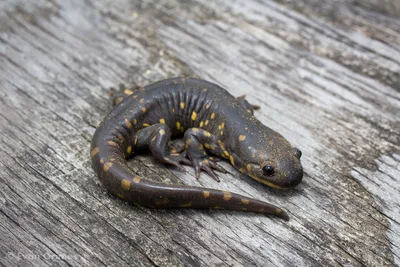
Amphibians
Tiger Salamander
Ambystoma tigrinum
The tiger salamander is a stout North American amphibian with pale markings on a dark body.
Living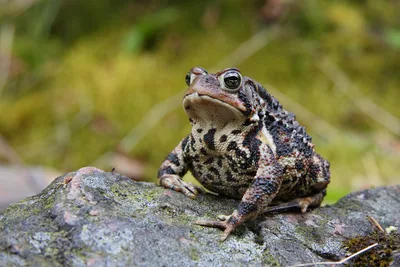
Amphibians
American Toad
Anaxyrus americanus
The American toad is a stout amphibian of North America.
Living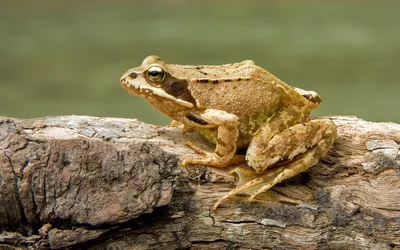
Amphibians
Common Frog
Rana temporaria
The common frog is a widespread European amphibian that also occurs in northwestern Asia.
Living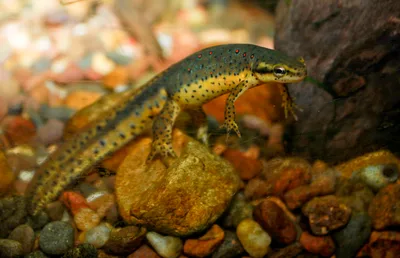
Amphibians
Newt
Salamandridae
Newts are salamanders with varied aquatic and terrestrial stages.
Living