Hawksbill sea turtle
Eretmochelys imbricata
Living individuals or members of this group exist today. This does not mean they are safe from extinction.
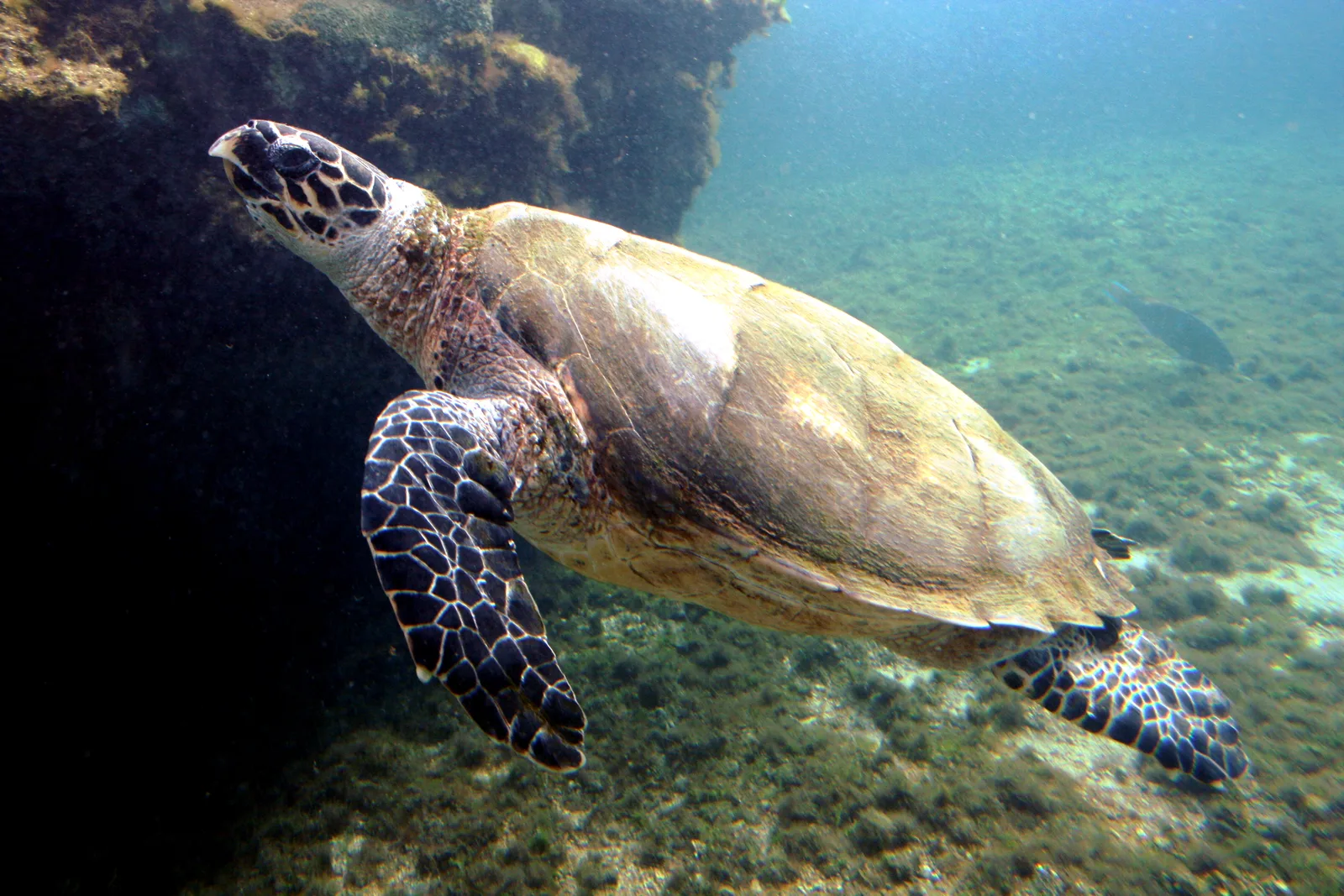
The hawksbill sea turtle has a narrow, pointed beak and overlapping shell scales. Sponges are a major food source on many reefs.
At a glance
- Location
- Tropical and subtropical oceans, especially nearshore reefs, with beaches used for nesting.
- Habitat
- Coral reef, Coast, Open ocean
- Diet
- Omnivore
- Food
- Mainly sponges in many populations, alongside other reef foods.
Classification
- Common name
- Hawksbill sea turtle
- Browse group
- Reptiles
- Scientific name or taxon
- Eretmochelys imbricata
- Taxon rank
- species
- Family
- Cheloniidae
- Genus
- Eretmochelys
- Source classification
- Testudines
Taxonomy checked against GBIF. For breeds and hybrids, this describes the listed parent taxon.
Three things to know
- The narrow beak reaches into reef crevices.
- Sponges dominate the diet in many areas.
- Shell scales overlap like roof tiles.
Habitat and range
Tropical and subtropical oceans, especially nearshore reefs, with beaches used for nesting.
Appearance and adaptations
A tapered beak reaches into reef crevices. The shell is mottled and often has a serrated rear edge with overlapping scales.
Diet and behaviour
It searches reef cracks for food and can migrate between feeding grounds and nesting beaches. Food choices differ between populations.
Sources
- NOAA Fisheries: Hawksbill sea turtle
- GBIF: Hawksbill sea turtle · Directory entry
Explore reptiles
Browse all reptiles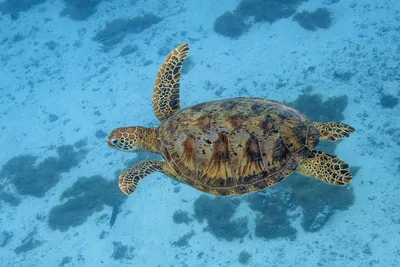 LC
Reptiles
Green sea turtle
Chelonia mydas
The green sea turtle grazes on seagrass in warm coastal waters.
Living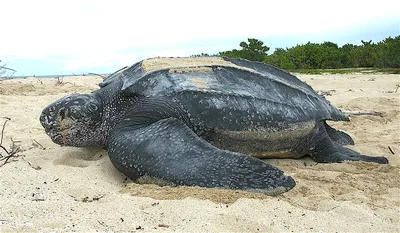
Reptiles
Leatherback Sea Turtle
Dermochelys coriacea
The leatherback is the largest living sea turtle.
Living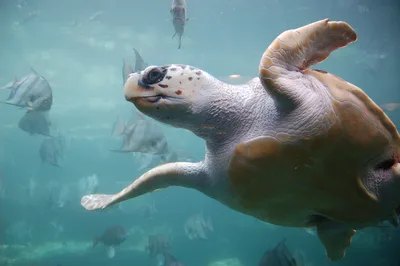
Reptiles
Loggerhead sea turtle
Caretta caretta
The loggerhead sea turtle uses powerful jaws to crush hard-shelled prey.
Living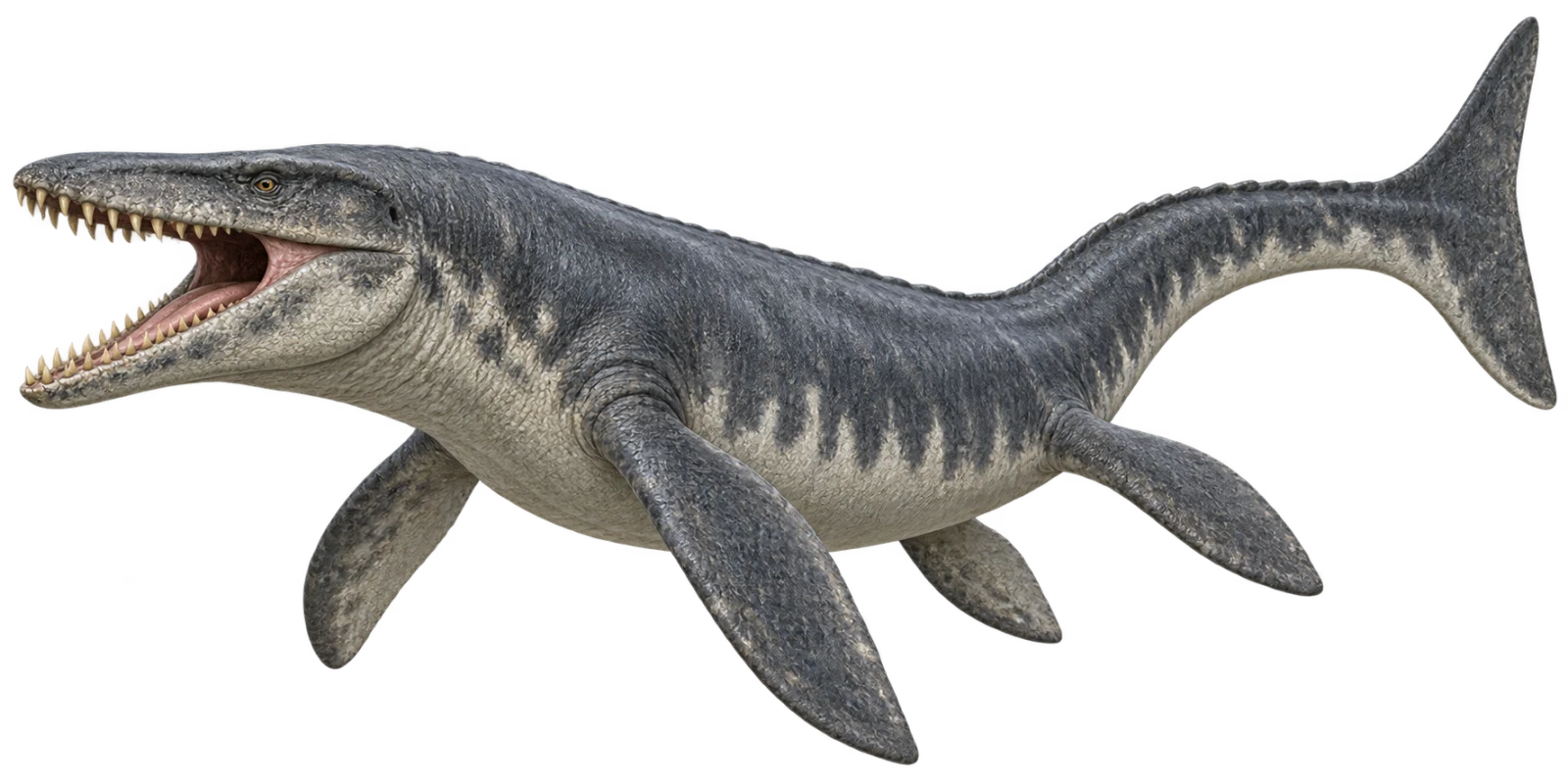
Reptiles
Mosasaurus
Mosasaurus
Mosasaurus was a large marine reptile of the Late Cretaceous.
ExtinctAI reconstruction