Hare
Lepus
Living individuals or members of this group exist today. This does not mean they are safe from extinction.
Hares are long-eared relatives of rabbits. This account describes the European hare (Lepus europaeus), an open-country grazer that rests above ground.
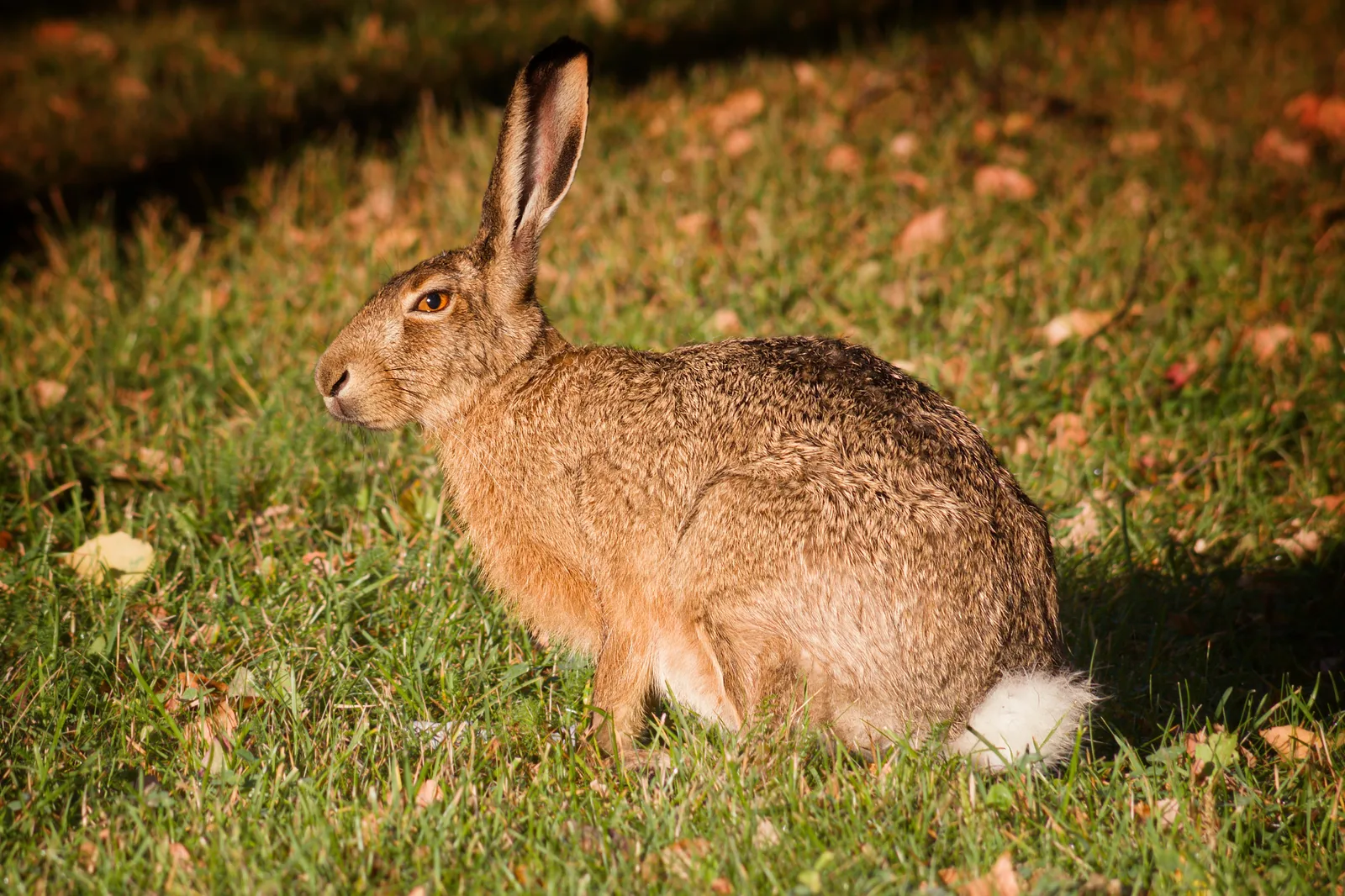
Representative species: Lepus europaeus.
At a glance
- Location
- European hares inhabit open country in Europe and parts of Asia. Fields, pastures and hedgerows provide food and resting cover; people have introduced the species elsewhere.
- Habitat
- Grassland
- Diet
- Herbivore
- Food
- Grasses, herbs and crops are eaten in warmer months; bark, buds and twigs enter the winter diet.
Classification
- Common name
- Hare
- Browse group
- Mammals
- Scientific name or taxon
- Lepus
- Source classification
- Mammalia
Three things to know
- Its long ears have dark tips.
- It rests in a shallow depression called a form.
- It stays active through the year.
Habitat and range
European hares inhabit open country in Europe and parts of Asia. Fields, pastures and hedgerows provide food and resting cover; people have introduced the species elsewhere.
Appearance and adaptations
Long hind legs and black-tipped ears distinguish its outline. Brown-grey fur provides cover against soil and vegetation.
Diet and behaviour
Grasses, herbs and crops are eaten in warmer months; bark, buds and twigs enter the winter diet. Usually solitary, it forages mainly at night or around twilight. Rapid running and changes of direction help it escape threats.
Sources
- Animal Diversity Web: Lepus europaeus
- A–Z Animals: Hare · Directory entry
Explore mammals
Browse all mammals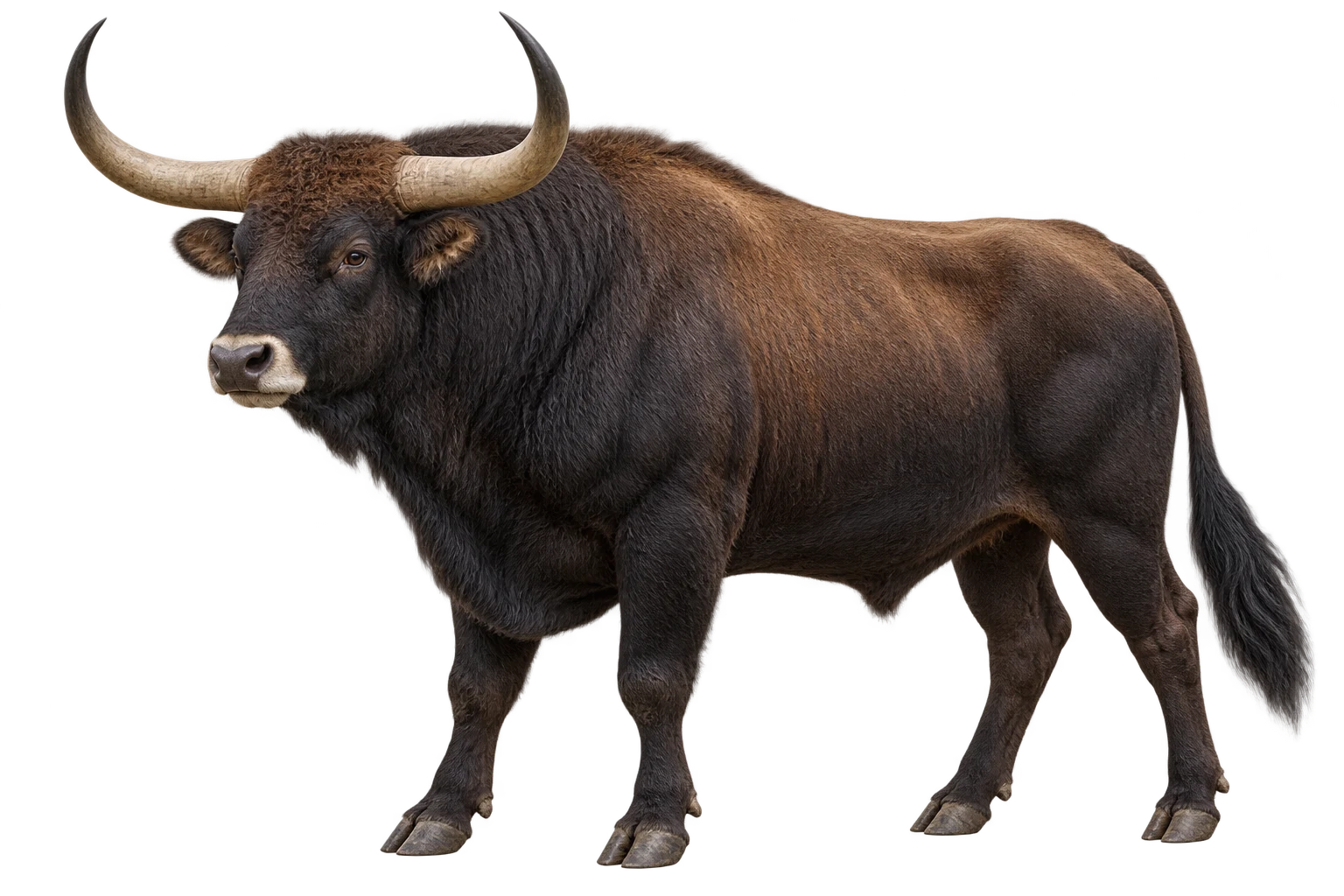 EX
Mammals
Aurochs
Bos primigenius
The aurochs was the wild ox of Europe, North Africa and much of Asia, and the ancestor of domestic cattle.
ExtinctAI reconstructionMammals
Cow
Bos taurus
Domestic cattle are large social herbivores kept in many parts of the world.
Living
Mammals
Donkey
Equus asinus
The domestic donkey is an herbivorous equid with long ears and sturdy hooves.
Living NT
Mammals
European bison
Bison bonasus
The European bison, or wisent, is the heaviest wild animal on land in Europe.
Living
