Tick
Ixodida
Living individuals or members of this group exist today. This does not mean they are safe from extinction.
Ticks are parasitic arachnids rather than insects. This account describes the American dog tick (Dermacentor variabilis), focusing on eastern North American populations.
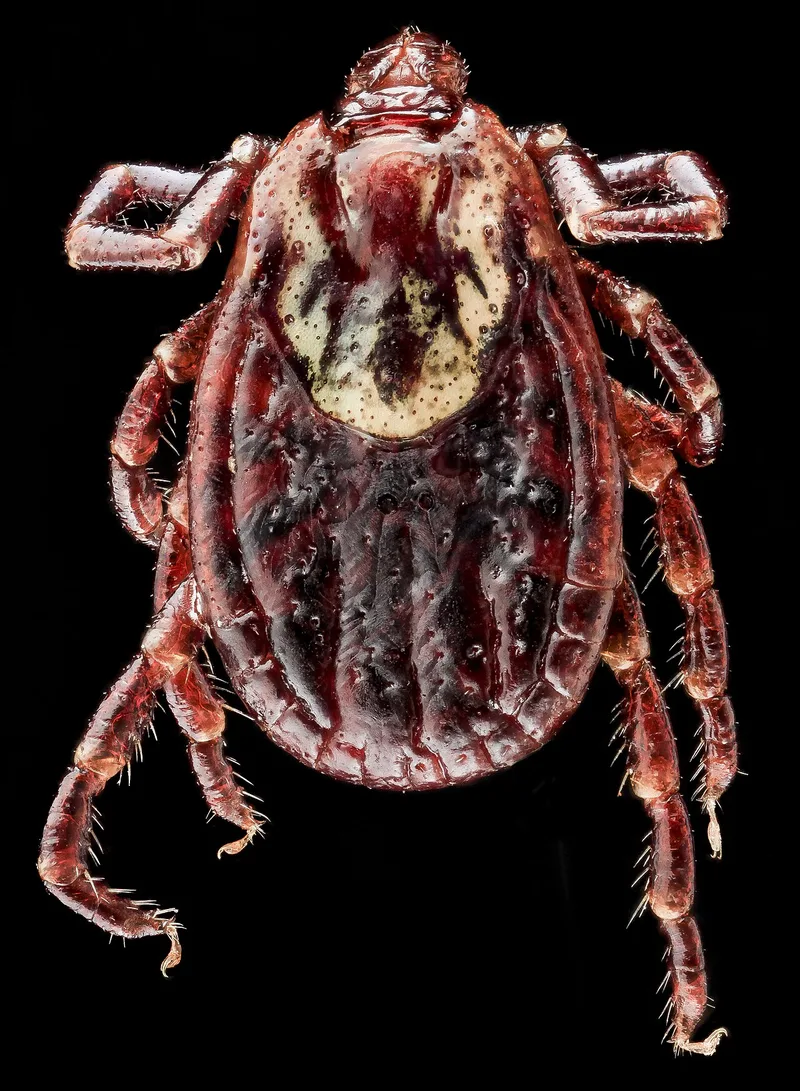
Magnified photograph of Dermacentor variabilis, the representative described here.
At a glance
- Location
- American dog ticks use woodland, grassy edges and trails where mammal hosts pass.
- Habitat
- Temperate forest, Grassland
- Diet
- Carnivore
- Food
- Different life stages obtain blood meals from mammals.
Classification
- Common name
- Tick
- Browse group
- Arachnids
- Scientific name or taxon
- Ixodida
- Taxon rank
- order
- Order
- Ixodida
- Source classification
- Arachnida
Taxonomy checked against GBIF. For breeds and hybrids, this describes the listed parent taxon.
Three things to know
- Adults have eight legs.
- Their food is mammal blood.
- Questing helps them encounter hosts.
Habitat and range
American dog ticks use woodland, grassy edges and trails where mammal hosts pass. Between meals they wait in vegetation; older sources also included western populations in a broader species treatment.
Appearance and adaptations
Adults have eight legs and a rounded body with pale ornamental markings on a darker background. Their mouthparts anchor into a host during feeding.
Diet and behaviour
Different life stages obtain blood meals from mammals. Waiting on vegetation for a passing host is known as questing.
Sources
- Animal Diversity Web: Dermacentor variabilis
- A–Z Animals: Tick · Directory entry
Explore arachnids
Browse all arachnids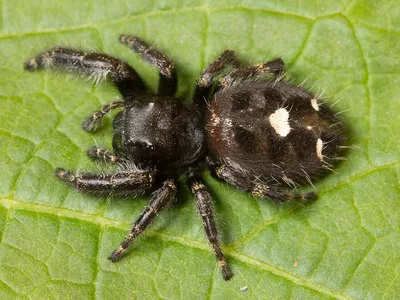
Arachnids
Jumping Spider
Salticidae
Jumping spiders hunt with unusually acute vision.
Living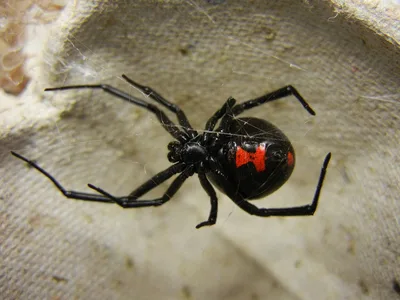
Arachnids
Black Widow Spider
Latrodectus
Black widows include several related spiders.
Living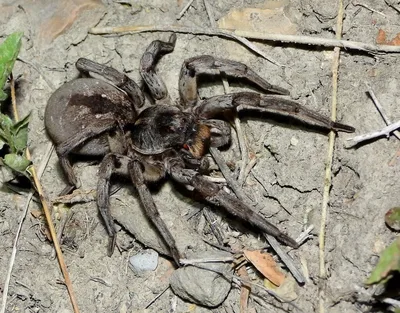
Arachnids
Wolf Spider
Lycosidae
Wolf spiders are ground-hunting arachnids.
Living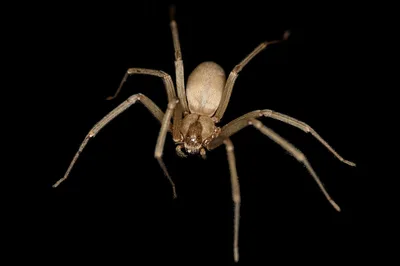
Arachnids
Brown recluse
Loxosceles reclusa
The brown recluse is a small brown spider that spends the day in quiet shelter and searches for insects at night.
Living