Orb Weaver
Araneidae
Living individuals or members of this group exist today. This does not mean they are safe from extinction.
Orb-weavers build circular prey-catching webs. This account describes the cross orb-weaver (Araneus diadematus), focusing on populations reported in the cited North American account.
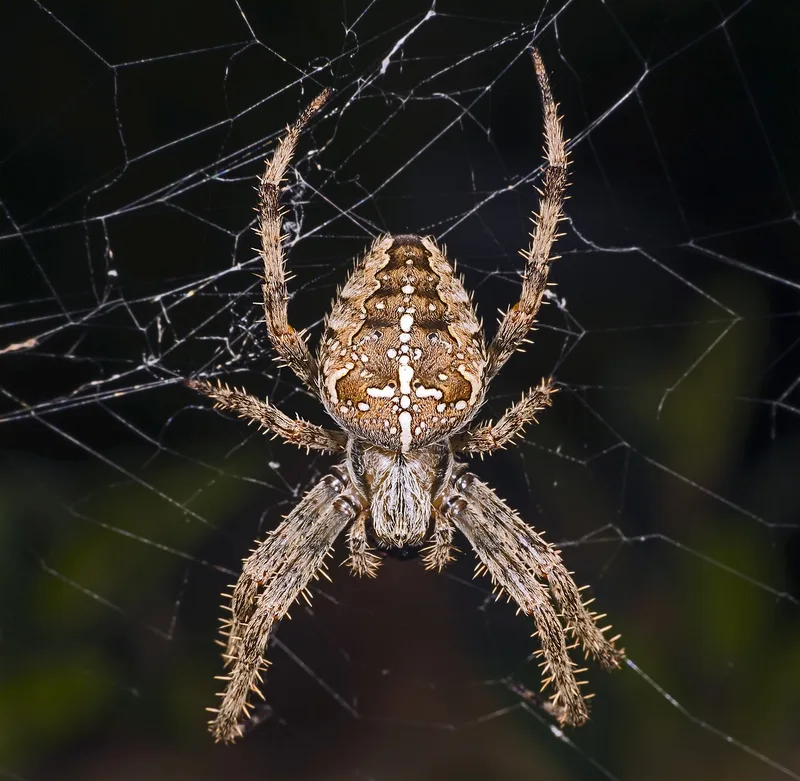
Araneus diadematus, the representative described in this account.
At a glance
- Location
- Cross orb-weavers need vegetation or other supports around an open space in which to suspend a web.
- Habitat
- Grassland, Towns and cities
- Diet
- Insectivore
- Food
- Flying insects become caught in sticky capture threads.
Classification
- Common name
- Orb Weaver
- Browse group
- Arachnids
- Scientific name or taxon
- Araneidae
- Taxon rank
- family
- Order
- Araneae
- Family
- Araneidae
- Source classification
- Arachnida
Taxonomy checked against GBIF. For breeds and hybrids, this describes the listed parent taxon.
Three things to know
- Pale spots often form a cross.
- A circular web catches insects.
- Vibrations signal trapped prey.
Habitat and range
Cross orb-weavers need vegetation or other supports around an open space in which to suspend a web. Grassy areas, gardens and similar sheltered sites provide attachment points.
Appearance and adaptations
The rounded abdomen bears pale spots, often forming a crosslike pattern. Females are generally larger than males, and overall colour varies from light brown to very dark.
Diet and behaviour
Flying insects become caught in sticky capture threads. The spider detects their vibrations, approaches and wraps them. Eating an old web can recover material before a replacement is built.
Sources
- Animal Diversity Web: Araneus diadematus
- A–Z Animals: Orb Weaver · Directory entry
Explore arachnids
Browse all arachnids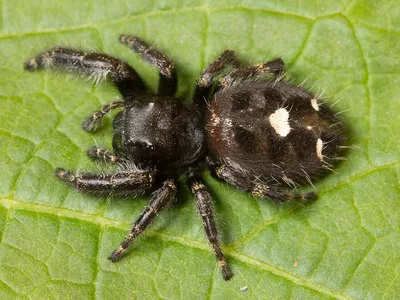
Arachnids
Jumping Spider
Salticidae
Jumping spiders hunt with unusually acute vision.
Living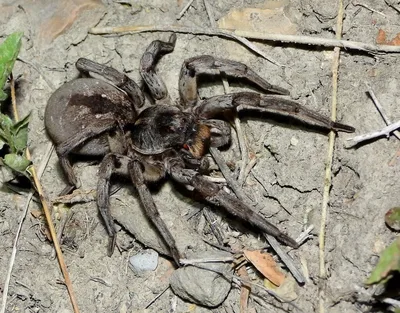
Arachnids
Wolf Spider
Lycosidae
Wolf spiders are ground-hunting arachnids.
Living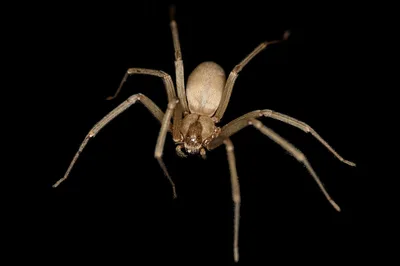
Arachnids
Brown recluse
Loxosceles reclusa
The brown recluse is a small brown spider that spends the day in quiet shelter and searches for insects at night.
Living
Arachnids
Black Widow Spider
Latrodectus
Black widows include several related spiders.
Living