Horse
Equus ferus caballus
Living individuals or members of this group exist today. This does not mean they are safe from extinction.
The domestic horse is a grazing equid with a long history alongside people. Social behaviour and rapid movement are important features of its biology.

Photo by David Dibert on Unsplash
At a glance
- Location
- Managed pasture and other human landscapes worldwide, with feral populations in some regions.
- Habitat
- Grassland
- Diet
- Herbivore
- Food
- Mainly grasses and other plant forage.
Classification
- Common name
- Horse
- Browse group
- Mammals
- Scientific name or taxon
- Equus ferus caballus
- Taxon rank
- subspecies
- Order
- Perissodactyla
- Family
- Equidae
- Genus
- Equus
- Source classification
- Mammalia
Taxonomy checked against GBIF. For breeds and hybrids, this describes the listed parent taxon.
Three things to know
- Horses are grazing herbivores.
- Each foot has a single hoof.
- Social bands contain animals of different ages.
Habitat and range
Managed pasture and other human landscapes worldwide, with feral populations in some regions.
Appearance and adaptations
Long limbs end in single hooves. A long face houses teeth adapted to processing plant food, and the mane grows along the neck.
Diet and behaviour
Horses commonly live in social bands. They spend substantial time grazing and use body posture and vocal signals in interactions.
More photos

Photo by Holly Mandarich on Unsplash
Sources
- Animal Diversity Web: Equus caballus
- A–Z Animals: Horse · Directory entry
Explore mammals
Browse all mammalsMammals
Cow
Bos taurus
Domestic cattle are large social herbivores kept in many parts of the world.
Living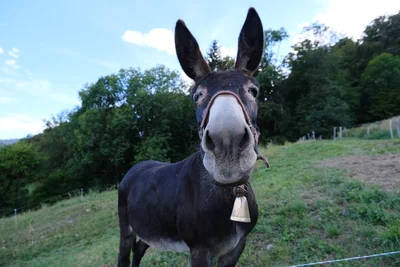
Mammals
Donkey
Equus asinus
The domestic donkey is an herbivorous equid with long ears and sturdy hooves.
Living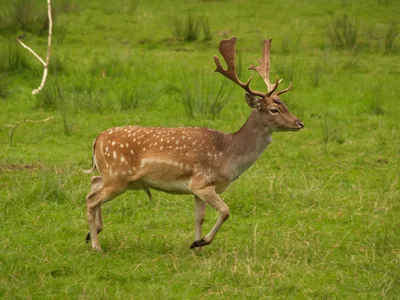
Mammals
Fallow deer
Dama dama
The fallow deer is a grazing and browsing deer often associated with woodland edges and open grass.
Living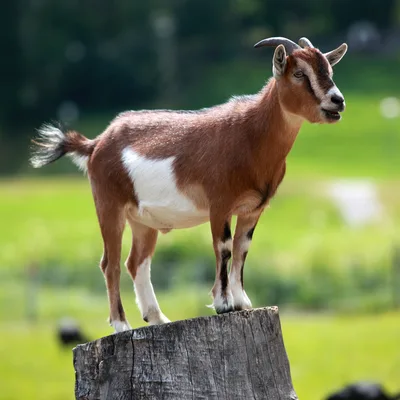
Mammals
Goat
Capra
Goats belong to the genus Capra, which includes wild species and domestic forms.
Living
