Lungfish
Dipnoi
Living individuals or members of this group exist today. This does not mean they are safe from extinction.
Lungfishes combine life in water with air breathing. This account follows the West African lungfish, which can survive seasonal drying by sheltering in a mucus-lined chamber in the ground.
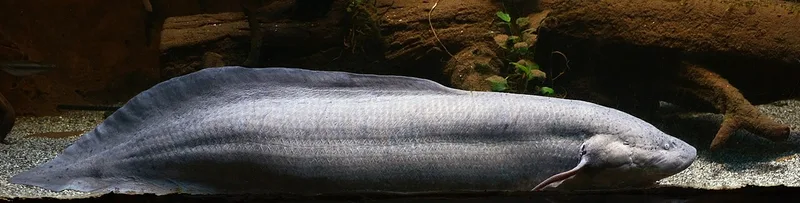
West African lungfish (Protopterus annectens) photographed in an aquarium.
At a glance
- Location
- Protopterus annectens is the representative described here. It occupies African river backwaters, floodplains, swamps and lake margins. The cited source includes regional forms with differing ranges and food habits.
- Habitat
- Rivers and lakes, Wetlands
- Diet
- Omnivore
- Food
- Molluscs and other animals supply food, while plant material is important in some populations.
Classification
- Common name
- Lungfish
- Browse group
- Fish
- Scientific name or taxon
- Dipnoi
- Source classification
- Sarcopterygii
Three things to know
- It must breathe air.
- Its paired fins are threadlike.
- It can form a cocoon during drying.
Habitat and range
Protopterus annectens is the representative described here. It occupies African river backwaters, floodplains, swamps and lake margins. The cited source includes regional forms with differing ranges and food habits.
Appearance and adaptations
A long body carries thin, threadlike paired fins. Air breathing is essential to this species. Its body and fin shape differ substantially from those of the Australian lungfish.
Diet and behaviour
Molluscs and other animals supply food, while plant material is important in some populations. When wetlands dry, the fish can enter a dormant state inside a protective cocoon. Males attend eggs and young.
Sources
- FishBase: Protopterus annectens
- A–Z Animals: Lungfish · Directory entry
Explore fish
Browse all fish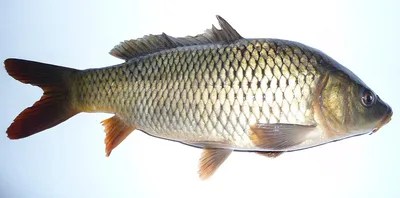
Fish
Carp
Cyprinidae
Carp is a broad familiar name for related freshwater fishes.
Living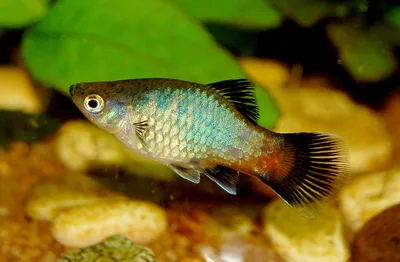
Fish
Platy
Xiphophorus maculatus
Platies are small freshwater aquarium fishes with many cultivated colours.
Living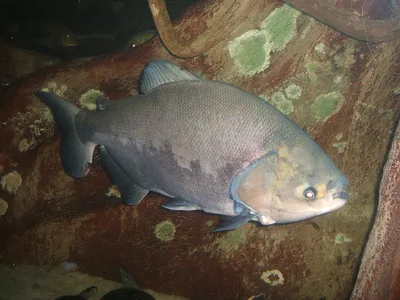
Fish
Red-bellied pacu
Piaractus brachypomus
The red-bellied pacu is a deep-bodied South American freshwater fish.
Living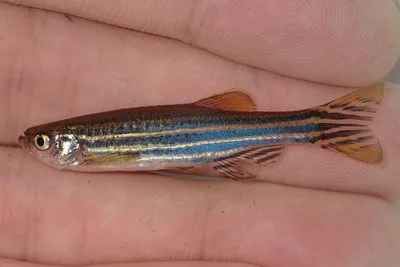
Fish
Zebrafish
Danio rerio
The zebrafish is a small striped freshwater fish native to the Indian subcontinent.
Living