Diplodocus
Diplodocus
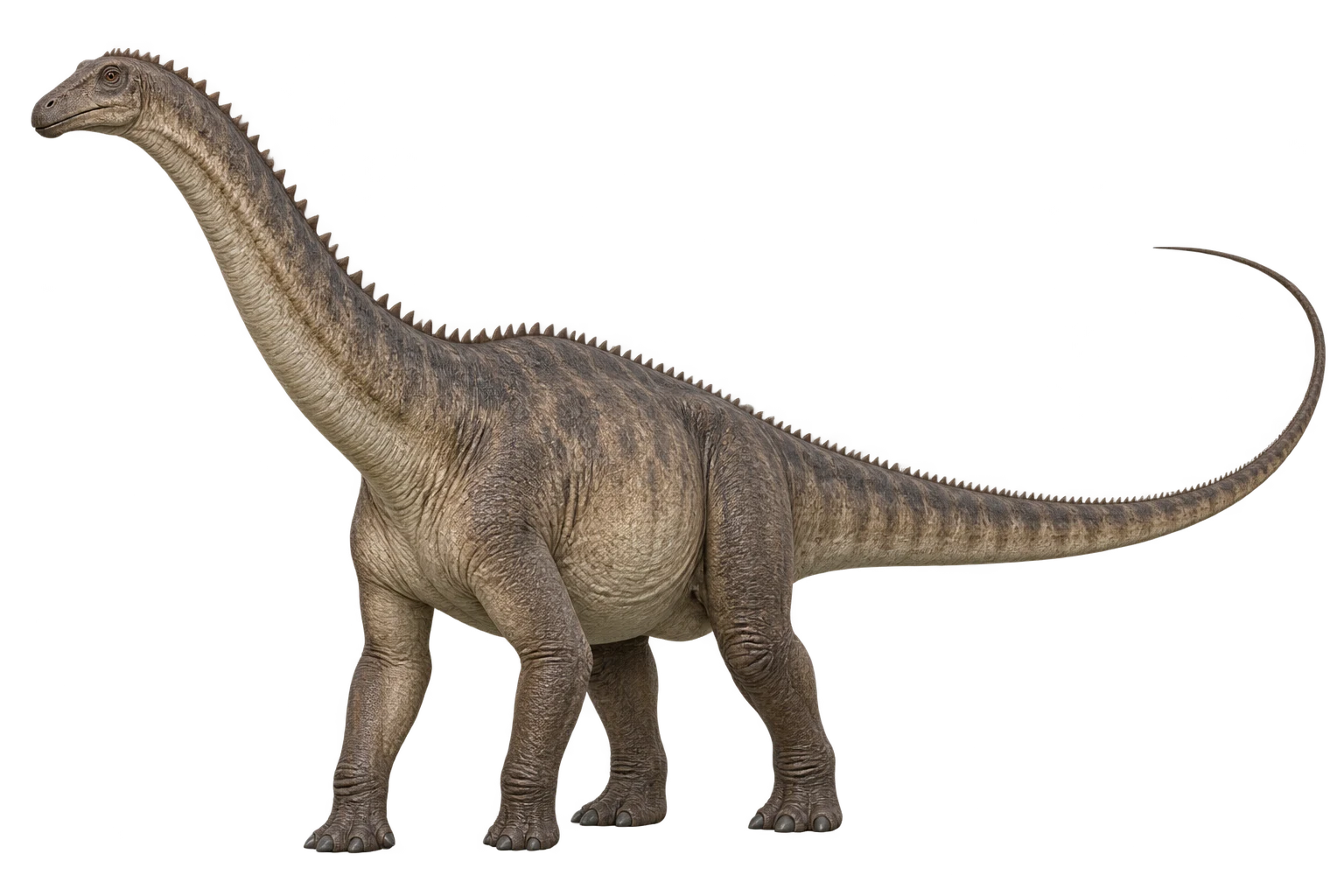
Diplodocus was a long-necked, long-tailed sauropod dinosaur. Its small head and rows of slender teeth gathered vegetation while a huge four-legged body processed the plant material.
At a glance
- Diet
- Herbivore
- Food
- Leaves and other vegetation.
Classification
- Common name
- Diplodocus
- Browse group
- Reptiles
- Scientific name or taxon
- Diplodocus
- Taxon rank
- genus
- Family
- Diplodocidae
- Genus
- Diplodocus
- Source classification
- Reptilia
Taxonomy checked against GBIF. For breeds and hybrids, this describes the listed parent taxon.
Three things to know
- Its name refers to bones beneath the tail.
- It walked on four legs.
- It ate vegetation.
Habitat and range
Diplodocus fossils come from the Late Jurassic Morrison Formation in the western United States. The sediments preserve an ancient ecosystem with other sauropods, predatory dinosaurs and smaller animals.
Appearance and adaptations
The neck extended the feeding reach, while an exceptionally long tail balanced the body. Distinctive paired structures beneath some tail vertebrae inspired the name, which means double beam.
Diet and behaviour
Leaves and other relatively soft vegetation supplied food. Neck posture and the exact use of the tail remain subjects of study. Museum skeletons are reconstructions informed by fossils, rather than direct records of every living posture.
Sources
- Natural History Museum
- A–Z Animals: Diplodocus · Directory entry
Explore reptiles
Browse all reptiles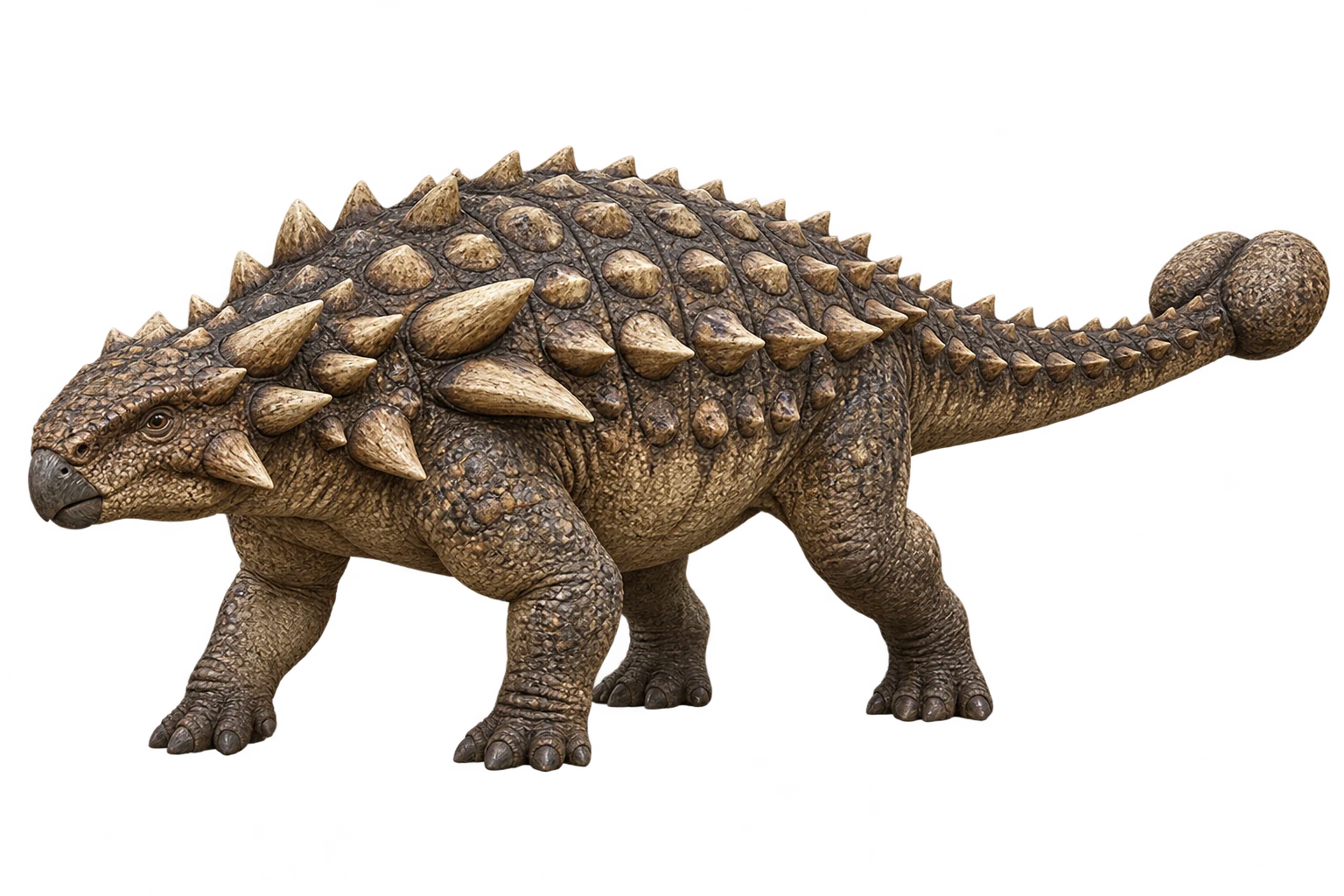
Reptiles
Ankylosaurus
Ankylosaurus
Ankylosaurus was a heavily armoured plant-eating dinosaur of the Late Cretaceous.
ExtinctAI reconstruction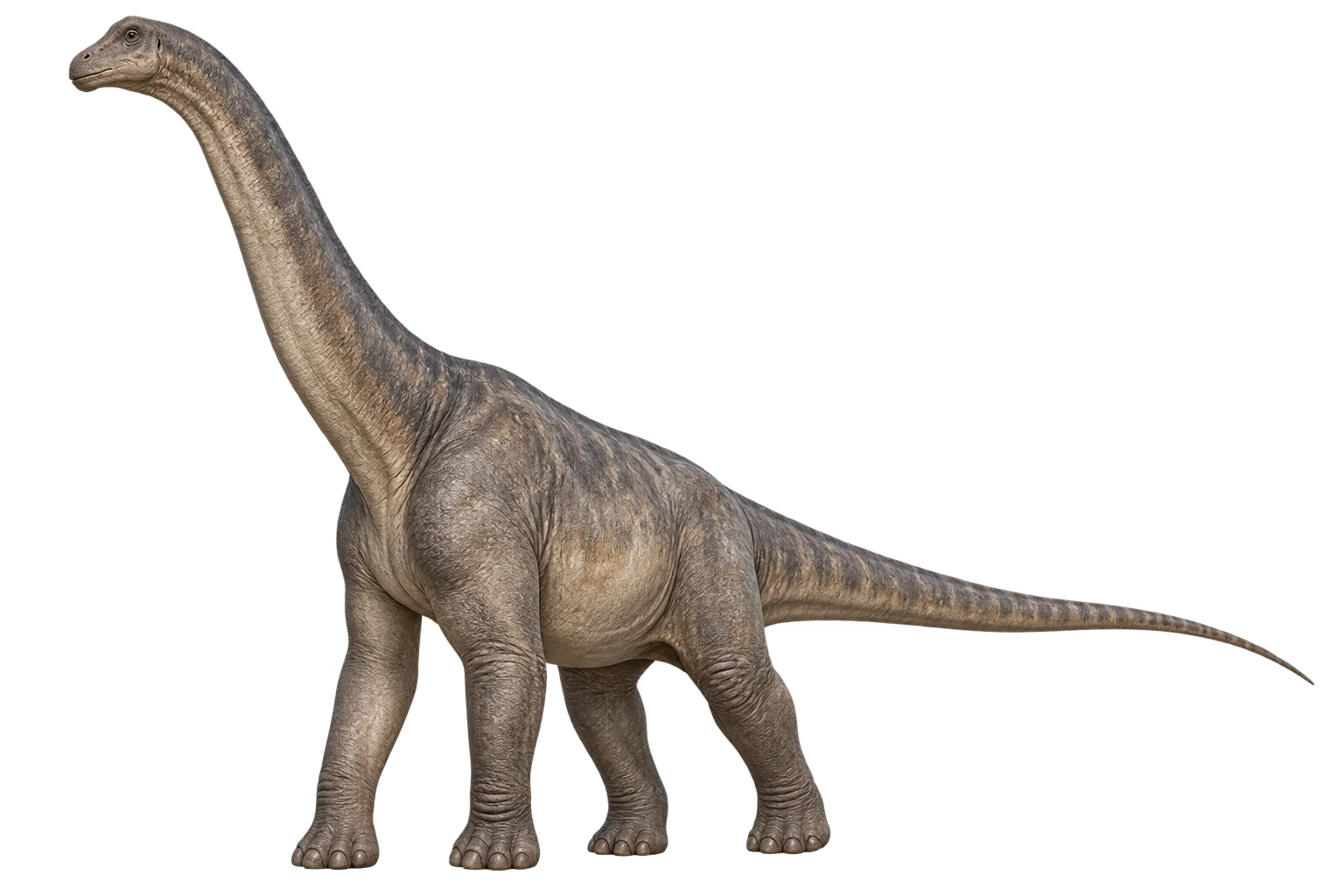
Reptiles
Brachiosaurus
Brachiosaurus
Brachiosaurus was a tall plant-eating dinosaur of Jurassic North America.
ExtinctAI reconstruction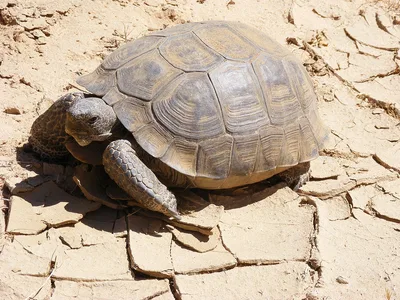
Reptiles
Desert Tortoise
Gopherus agassizii
The Mojave desert tortoise is a burrowing reptile of the southwestern United States.
Living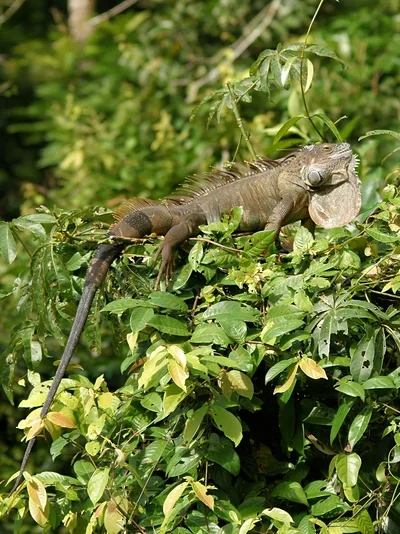
Reptiles
Green iguana
Iguana iguana
The green iguana is a large tree-climbing lizard of tropical America.
Living